







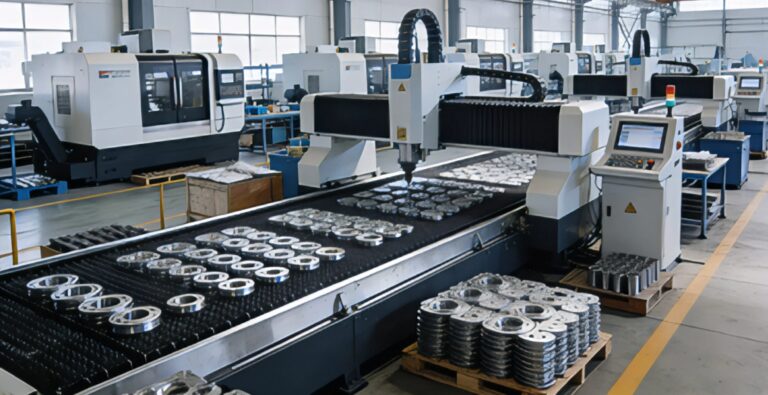
-
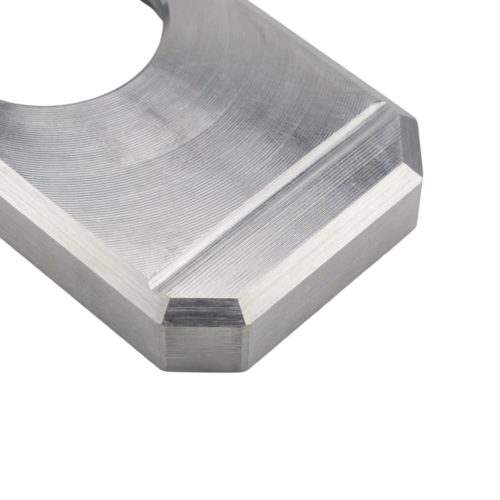
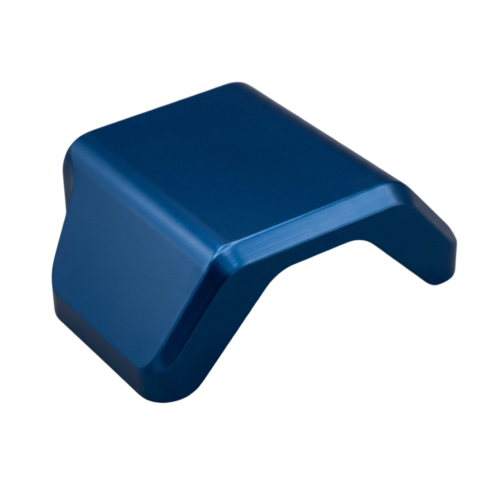
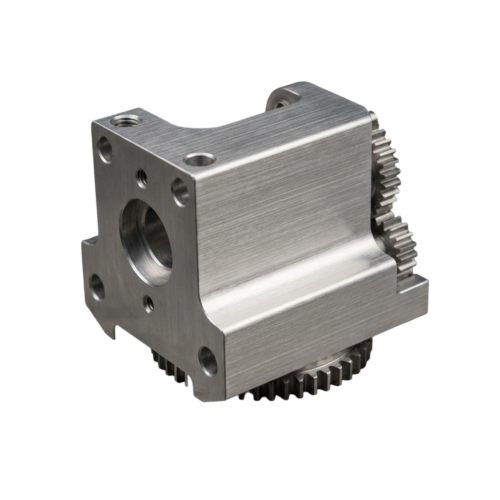
 AluminumAluminum is a lightweight, versatile metal widely used in CNC machining for structural and enclosure parts. It offers excellent machinability, good corrosion resistance, and a high strength-to-weight ratio suited for production and prototyping.Type
 -
CopperCopper is a versatile, high-conductivity metal widely used in CNC machining for electrical and thermal components. Its excellent ductility and corrosion resistance make it suitable for precision parts, fittings, and heat-transfer assemblies.Type
-
BronzeBronze is a family of copper-based alloys, typically copper‑tin or copper‑aluminum, valued for wear resistance and corrosion performance. Its combination of low friction, good machinability, and strength makes it ideal for bearings, gears, marine fittings, and precision CNC components.Type
-
BrassBrass is a copper–zinc alloy prized for excellent machinability, conductivity, and corrosion resistance. It machines cleanly to tight tolerances and delivers an attractive finish for functional and aesthetic parts.Type
-
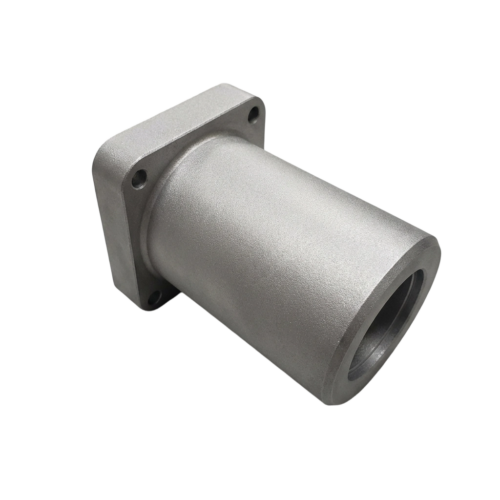
Stainless SteelStainless steel is a corrosion-resistant alloy family used for structural, hygienic, and precision components in industrial manufacturing. Grades vary in strength, heat tolerance, and machinability—select grade and tooling to optimize CNC performance.Type
-
TitaniumTitanium is a lightweight metal offering a superior strength-to-weight ratio and excellent corrosion resistance for demanding CNC-machined parts. It suits aerospace, medical, and industrial applications but requires optimized tooling and coolant control during machining.Type
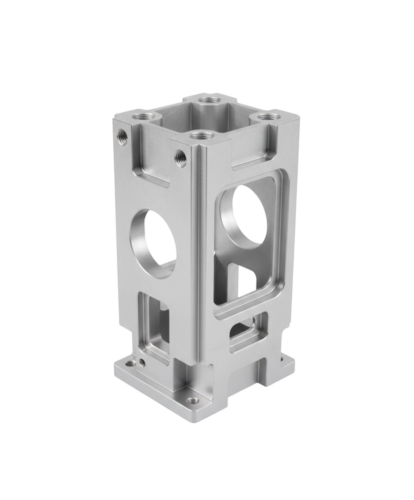


-
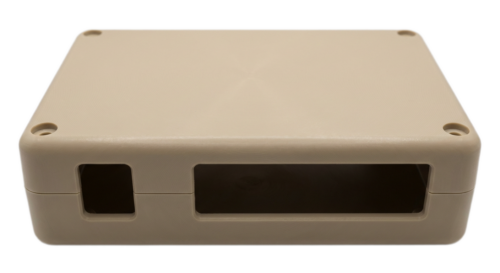
ABSABS (Acrylonitrile Butadiene Styrene) is a versatile engineering thermoplastic offering excellent toughness, impact resistance, and good machinability for prototyping and production parts. It machines cleanly with sharp tooling, accepts paints and adhesives, and is commonly used for housings, trims, and consumer components, with moderate heat and UV limitations.Type
-
PCPolycarbonate (PC) is an impact-resistant engineering thermoplastic with excellent optical clarity, used widely in molded and machined parts. It suits prototypes and production components where toughness, transparency, and dimensional stability are required.Type
-
PMMA (Acrylic)PMMA (acrylic) is a lightweight, rigid thermoplastic known for outstanding optical clarity and good weathering. It machines cleanly, polishes to a high gloss, and suits display, optical, and prototyping applications.Type
-
POMPOM (polyoxymethylene) is a high-performance engineering thermoplastic known for stiffness, low friction, and excellent dimensional stability for machined parts. It offers superior machinability and wear resistance for precision components used in industrial and consumer applications.Type
-
PA (Nylon)PA (Nylon) is a versatile engineering thermoplastic known for toughness, low friction, and excellent wear resistance. It suits CNC machining and injection molding for structural and bearing components but is hygroscopic, so plan for moisture-related dimensional changes.Type
-
PEPE (polyethylene) is a versatile thermoplastic used for molded parts and machined components, available in LDPE, HDPE and UHMW grades. It delivers low friction, excellent chemical resistance and high impact strength for a wide range of manufacturing applications.Type
-
PEEKPEEK (polyether ether ketone) is a high-performance semicrystalline thermoplastic with exceptional mechanical, thermal, and chemical properties. It offers dimensional stability and low wear for precision CNC machining and demanding manufacturing applications.Type
-
PPPP (polypropylene) is a semi-crystalline thermoplastic widely used for CNC machining and injection molding. It combines low density, excellent chemical resistance, low moisture uptake, and good fatigue performance for cost-effective, high-volume parts.Type
-
HDPEHDPE (high-density polyethylene) is a versatile thermoplastic commonly used for CNC machining, molding, and fabricated industrial parts. It provides excellent chemical resistance, low moisture uptake, high impact strength, and straightforward machinability for durable components.Type
-
FR-4FR-4 is a glass-reinforced epoxy laminate commonly used as a rigid PCB substrate and electrical insulator. It provides reliable dielectric performance, good mechanical strength, flame retardancy, and is readily machinable for routing and drilling.Type
-
BakeliteBakelite is a thermosetting phenolic resin valued for heat resistance, electrical insulation, and dimensional stability. It is commonly supplied as molded parts, sheets, and machinable blanks; machining requires sharp tooling and conservative feeds due to brittleness.Type
-
HIPSHigh Impact Polystyrene (HIPS) is a low-cost, easily fabricated thermoplastic with improved impact resistance compared to general polystyrene. It machines cleanly, thermoforms and injection molds well, and accepts paints, adhesives and printing for production parts and prototypes.Type
-
LDPELDPE (low-density polyethylene) is a flexible, low-density thermoplastic with excellent chemical resistance and impact toughness. Commonly processed by extrusion, blow and injection molding, LDPE can also be CNC routed or fabricated for lightweight, corrosion-resistant components.Type
-
PBTPBT (polybutylene terephthalate) is a semi-crystalline engineering thermoplastic offering excellent dimensional stability, mechanical strength, and electrical insulation. It molds and machines well, with glass-filled and flame-retardant grades available for heat-resistant automotive, electrical, and consumer components.Type
-
PPAPolyphthalamide (PPA) is a high-performance engineering thermoplastic with superior heat, chemical and oil resistance compared with standard nylons. It supports precision injection molding and CNC machining while maintaining dimensional stability and long-term strength.Type
-
PAIPolyamide-imide (PAI) is an ultra-high-performance thermoplastic that delivers exceptional mechanical strength, stiffness and wear resistance at elevated temperatures. It machines well and retains dimensional stability for precision components that require continuous service up to approximately 260°C.Type
-
PTFE (Teflon)PTFE (Teflon) is a high-performance fluoropolymer prized for ultra-low friction, wide temperature stability, and outstanding chemical resistance. It is commonly CNC-machined into seals, bearings, electrical insulators, and corrosion-resistant components; filled grades improve wear and dimensional stability.Type
-
PVCPolyvinyl chloride (PVC) is a versatile thermoplastic available in rigid and flexible grades, offering strong chemical resistance, flame retardancy, and good dimensional stability. It machines well with standard tooling, bonds and welds readily, and provides a cost-effective option for piping, jacketing, and fabricated components.Type
-
PSPolystyrene (PS) is an amorphous, low-cost thermoplastic commonly used for injection molding, thermoforming, and prototyping. It provides excellent surface finish and dimensional stability, with limited heat and chemical resistance.Type
-
PPSPolyphenylene sulfide (PPS) is a high-performance semicrystalline thermoplastic offering excellent thermal, chemical, and dimensional stability for demanding applications. It is widely used in injection molding and can be CNC machined from rod or plate for precision prototypes and low-volume parts.Type
-
PETPolyethylene terephthalate (PET) is a semi-crystalline engineering thermoplastic offering high stiffness, dimensional stability, and strong chemical resistance. It is widely used in injection molding, extrusion, and CNC machining for structural, electrical, and food-contact components.Type