CNC Manufacturing Surface Finishes

Surface finishing plays a critical role in the performance and appearance of machined components. Through carefully selected finishing methods, CNC parts can achieve improved durability, surface consistency, and visual quality suited to different functional requirements.
Surface finish

Surface Finishing for Custom Parts

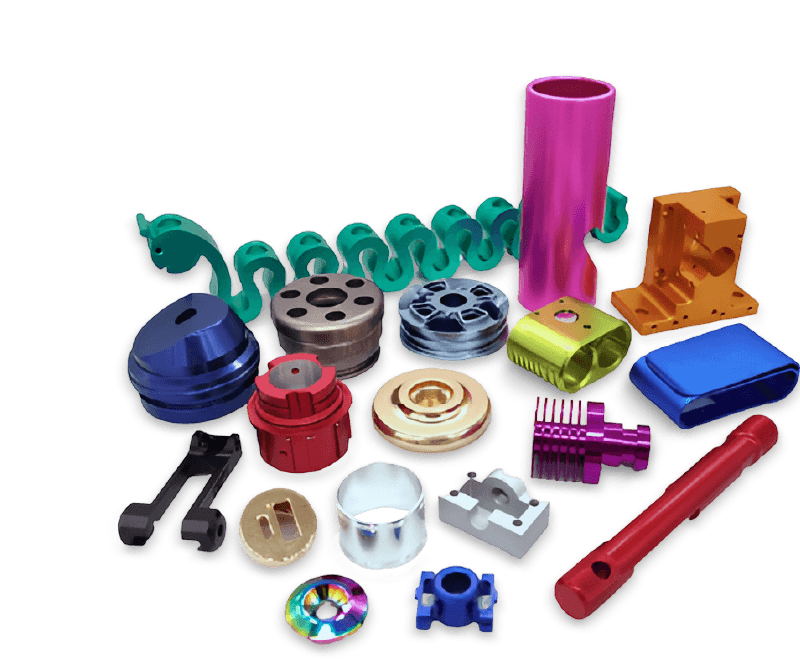
Surface finishes are applied after machining to refine part surfaces beyond their raw machined state. These processes help reduce visible machining marks, enhance surface integrity, and support requirements such as corrosion protection, friction reduction, or coating readiness. Different finishes are selected based on material type, part geometry, and end-use expectations across CNC machining and related manufacturing processes.
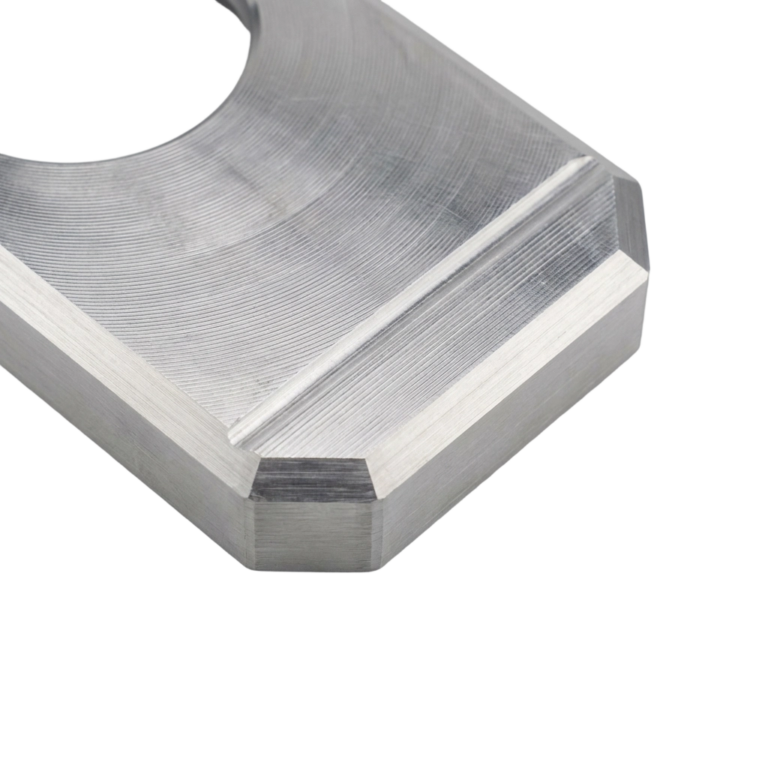
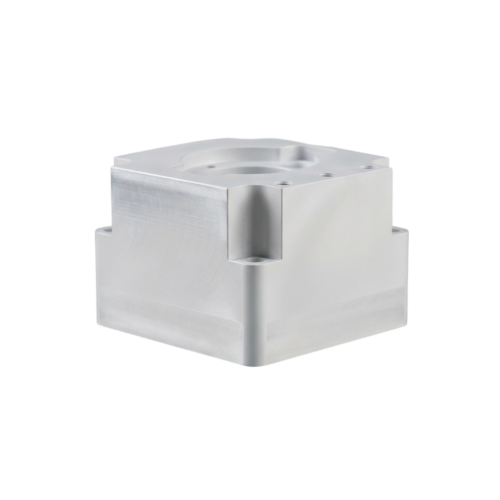
  • As Machined

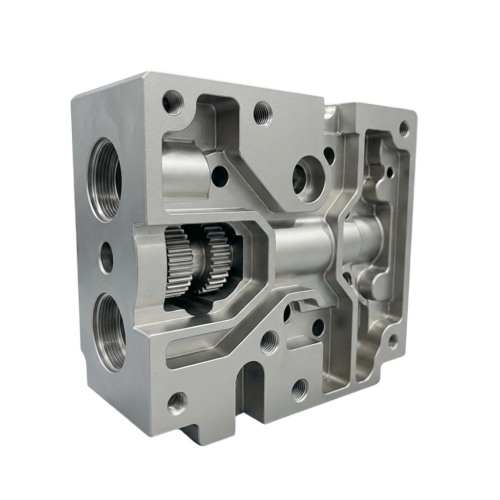
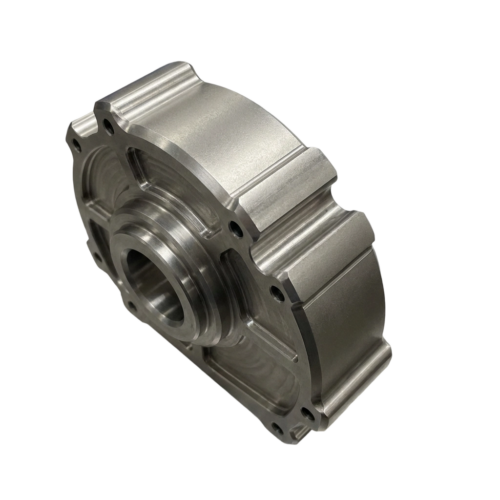
    As machined surfaces reflect the condition of a part immediately after CNC processing. Edges are cleaned and burrs removed, while machining marks remain visible. This finish is often chosen when dimensional accuracy and cost efficiency are prioritized over surface appearance.
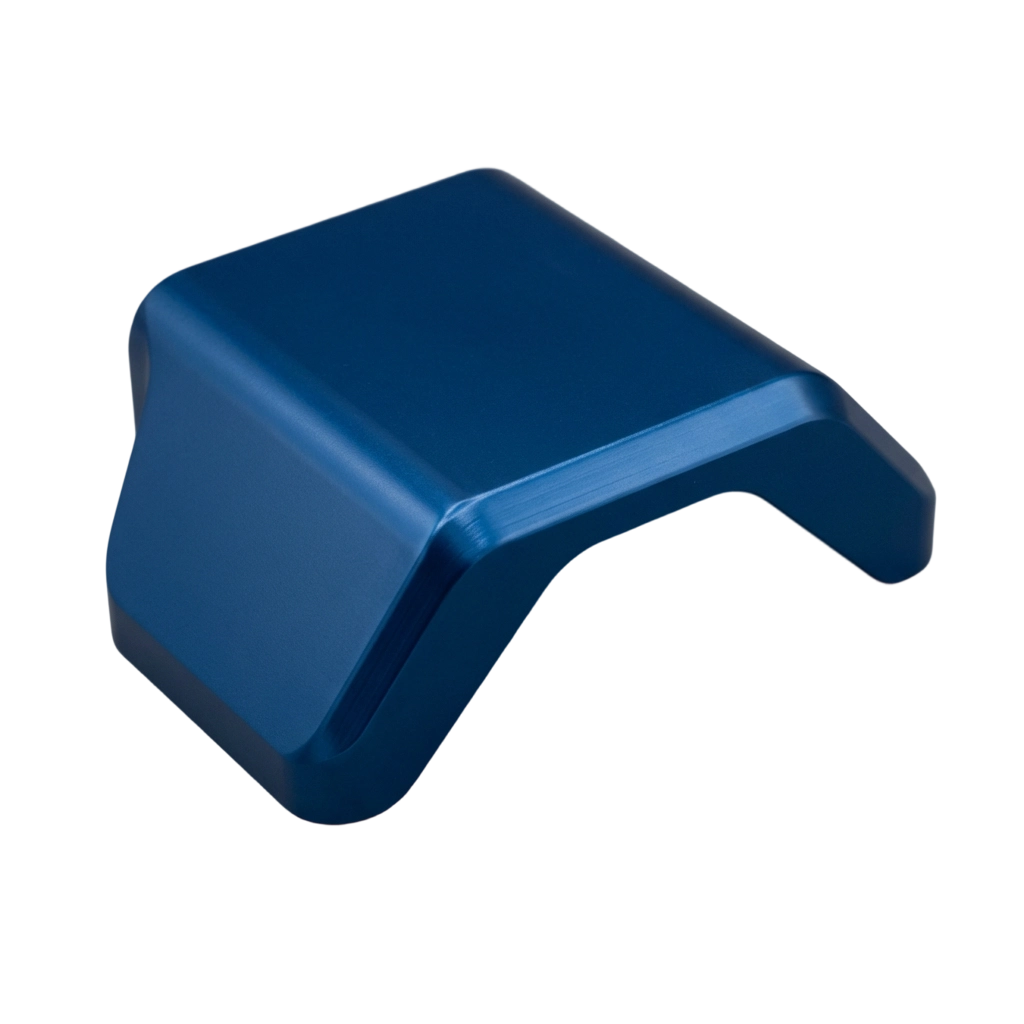
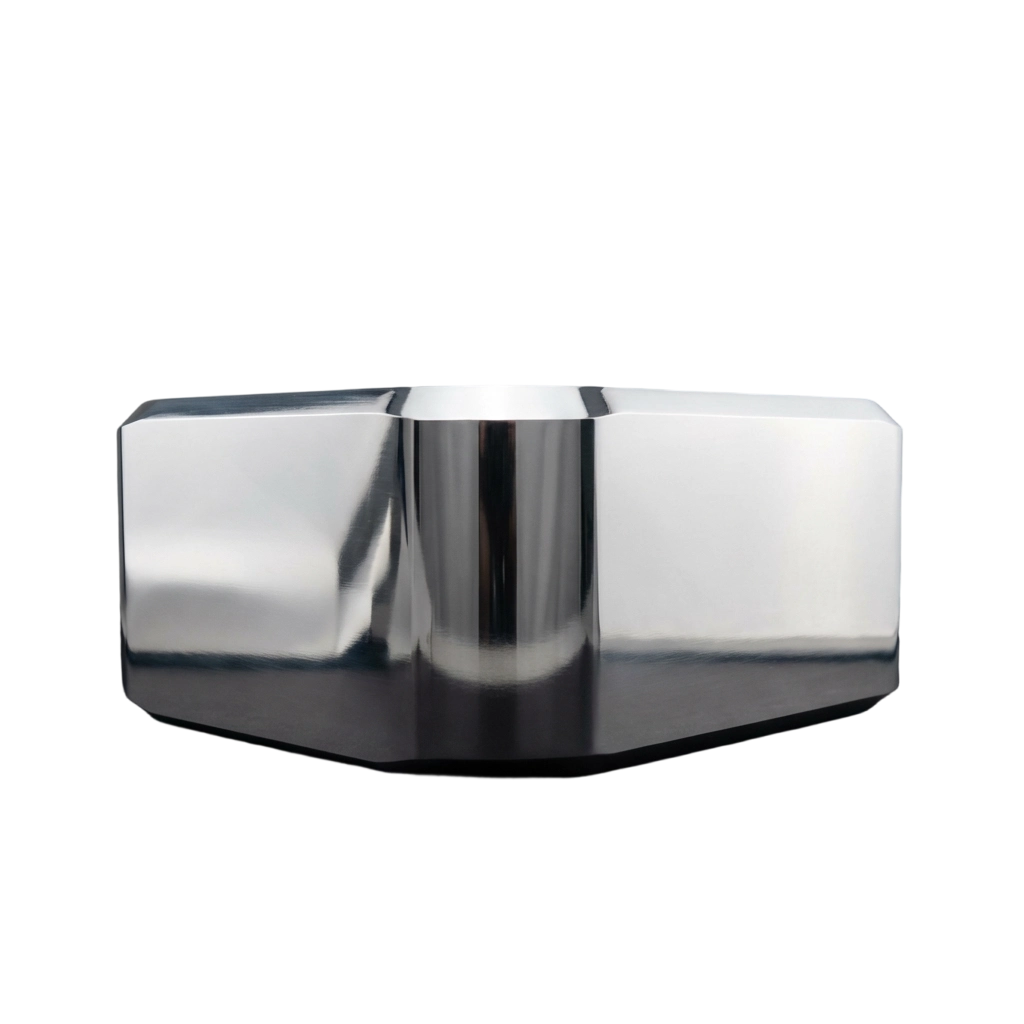
  • Anodizing
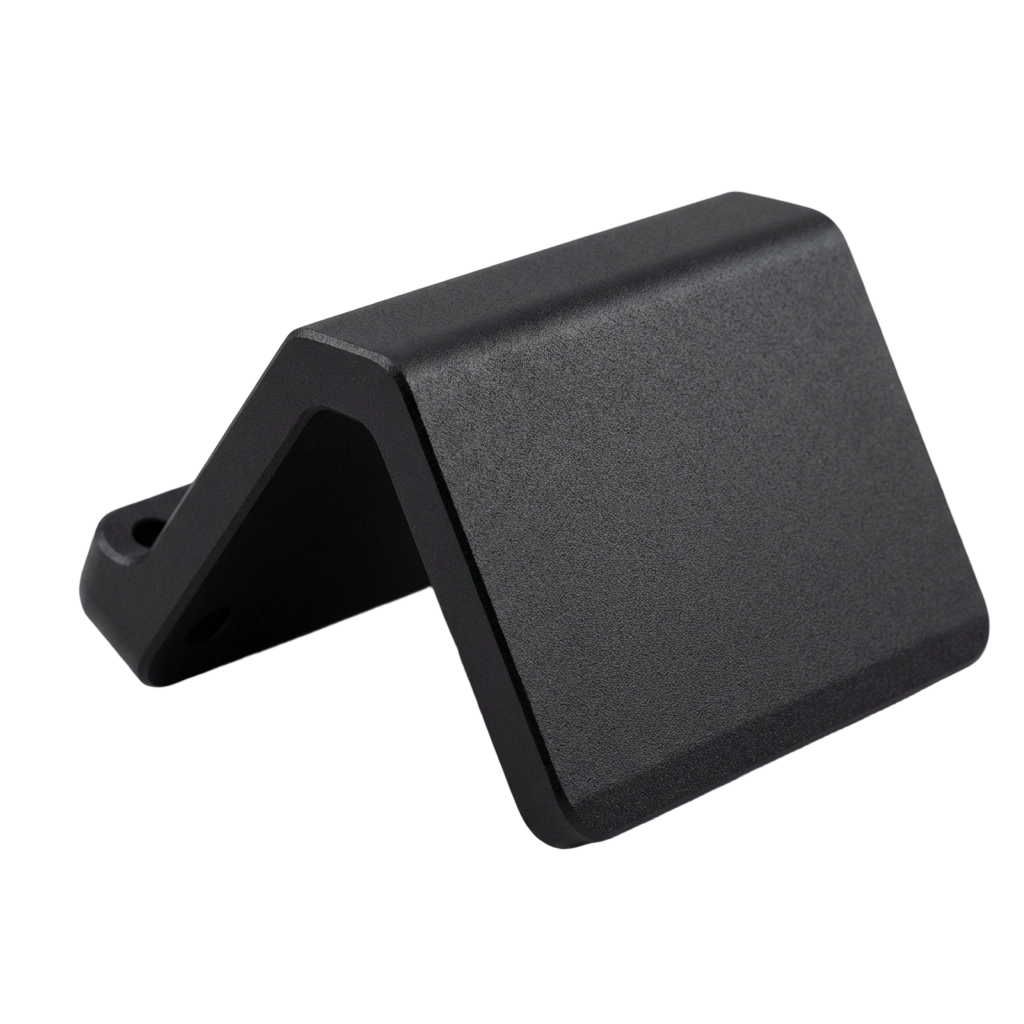
    Anodizing alters the surface of aluminum by forming a controlled oxide layer. The resulting finish improves resistance to environmental exposure and surface wear, while also allowing color treatments for parts that require both protection and visual differentiation.
  • Polishing
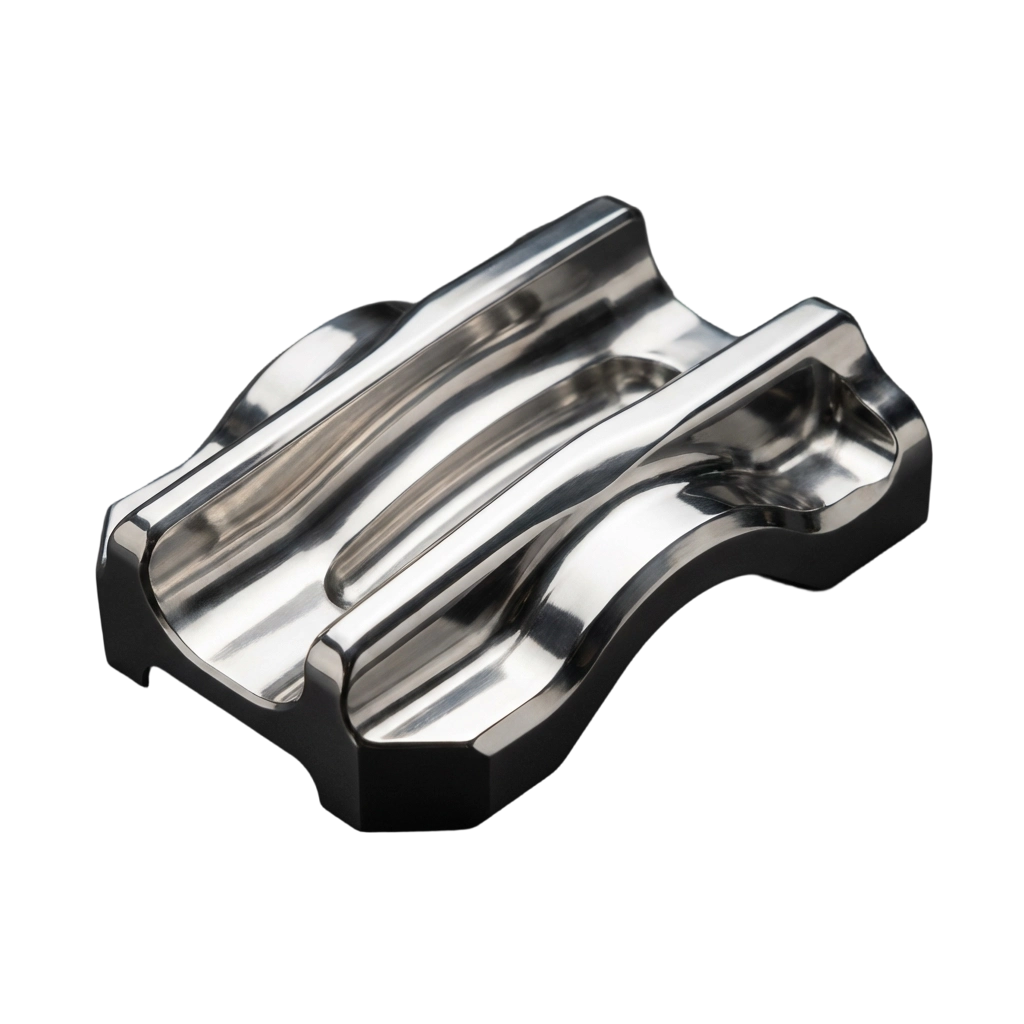
    Polishing refines the surface through mechanical smoothing, reducing roughness and surface defects. It is typically selected when a cleaner, brighter appearance or smoother contact surface is required.
  • Sand Blasting
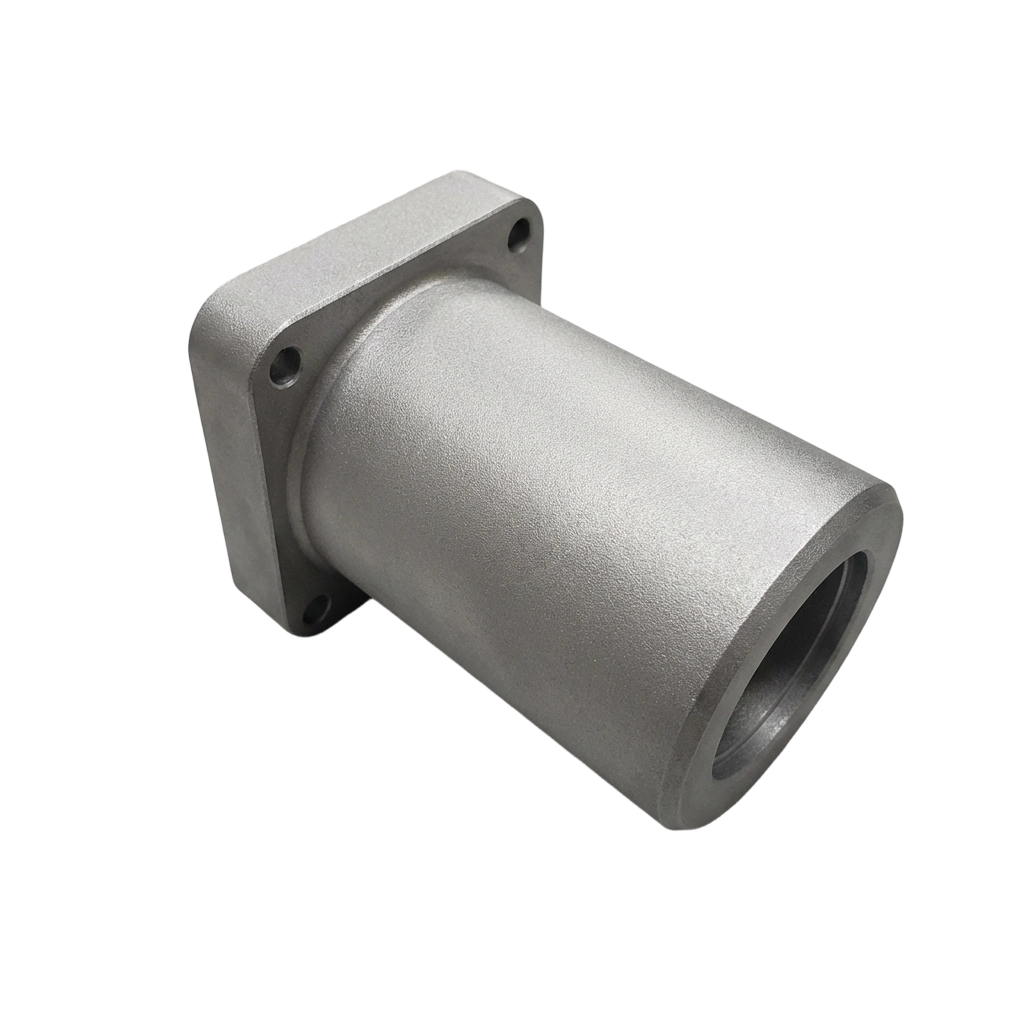
    Sand blasting modifies the surface using abrasive impact, producing an even, non-reflective texture. This method is frequently used to remove surface residues or to prepare parts for subsequent finishing steps.
  • Tumbling
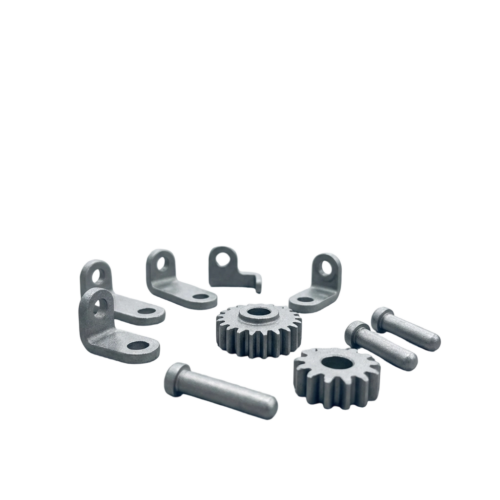
    Tumbling finishes parts through continuous motion with abrasive media. The process softens sharp edges and produces a uniform surface feel, making it suitable for small components where consistency across multiple faces is important.
  • Electropolish
    Electropolishing improves surface quality through controlled electrochemical action. The process smooths micro-irregularities and enhances corrosion resistance, resulting in a clean and refined metal surface.
  • Alodine
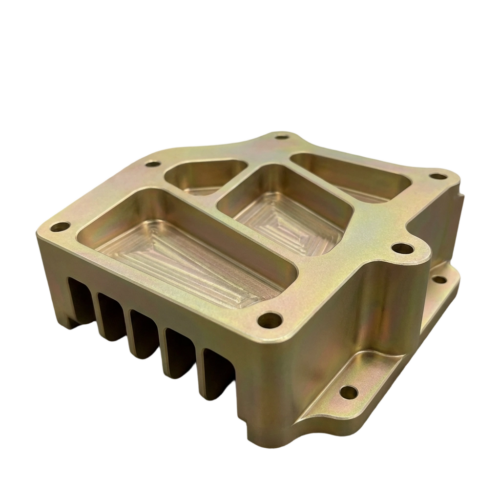
    Alodine treatment creates a protective chemical layer on aluminum surfaces. It is often applied when corrosion protection is required without significantly altering part dimensions, and when surface readiness for painting is important.
  • Heat Treatment
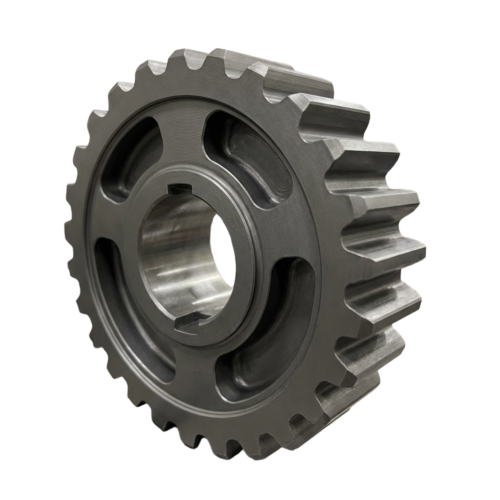
    Heat treatment changes the internal structure of metal parts through precise thermal cycles. This process is used to achieve specific mechanical characteristics such as increased strength or improved toughness, depending on the application.
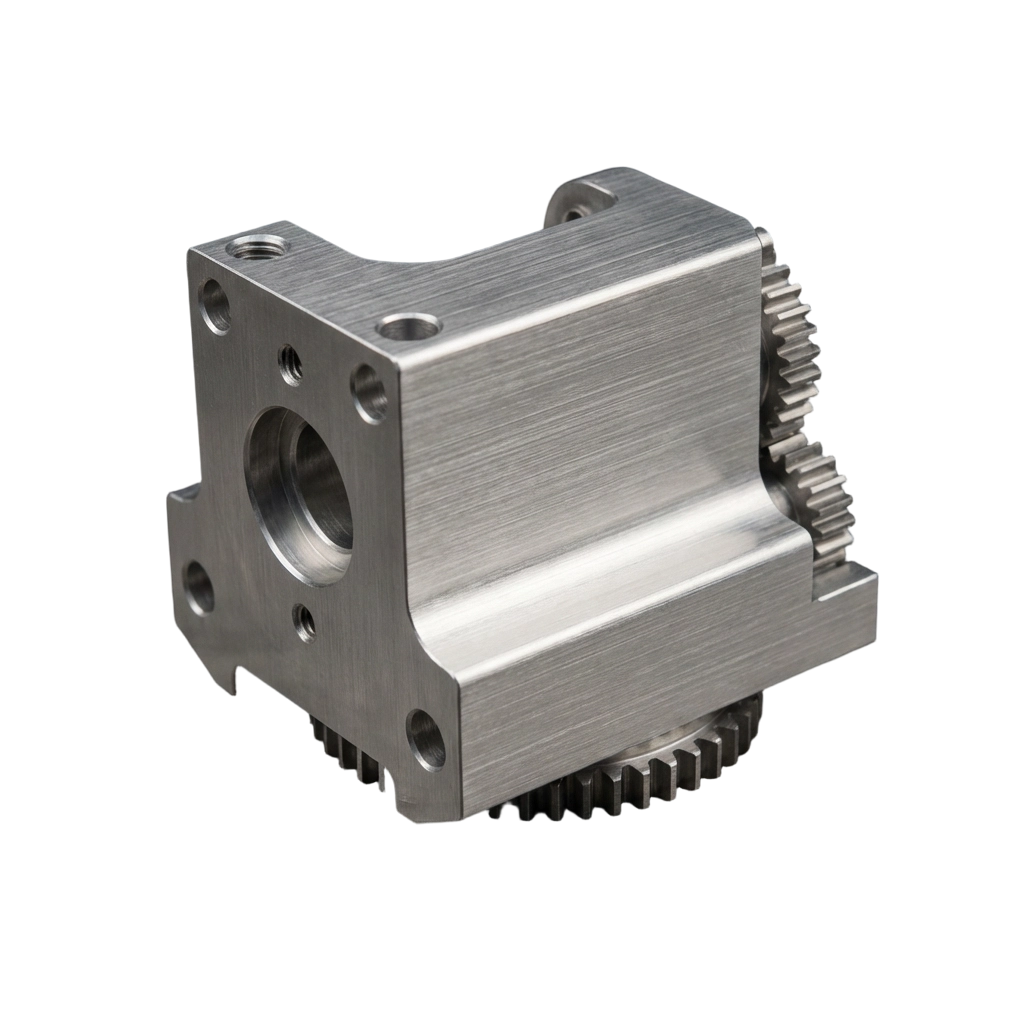
  • Brushed Finish
    Brushed finishes introduce a consistent directional texture onto the surface. This approach reduces the visibility of random scratches while maintaining a technical, industrial appearance.
  • Powder Coating

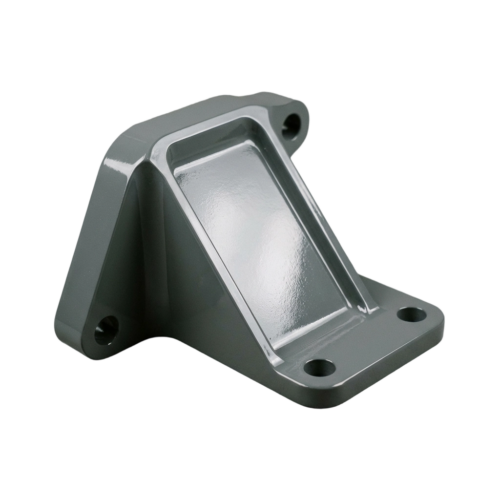
    Powder coating forms a durable surface layer by curing dry powder onto the part. The finish offers strong resistance to wear and environmental exposure while supporting a wide range of surface textures.
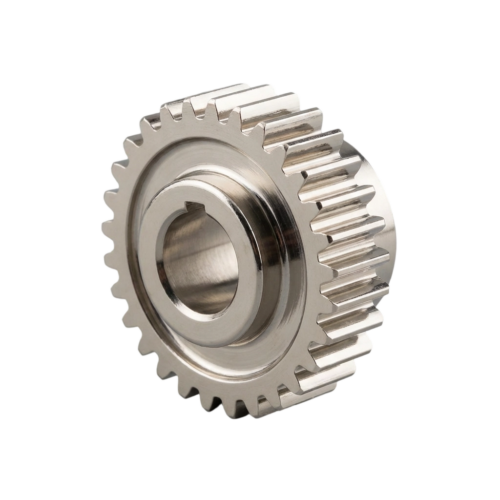
  • Electroplating
    Electroplating adds a metallic surface layer through electrical deposition. This finish is selected to enhance surface durability, corrosion resistance, or functional surface properties.
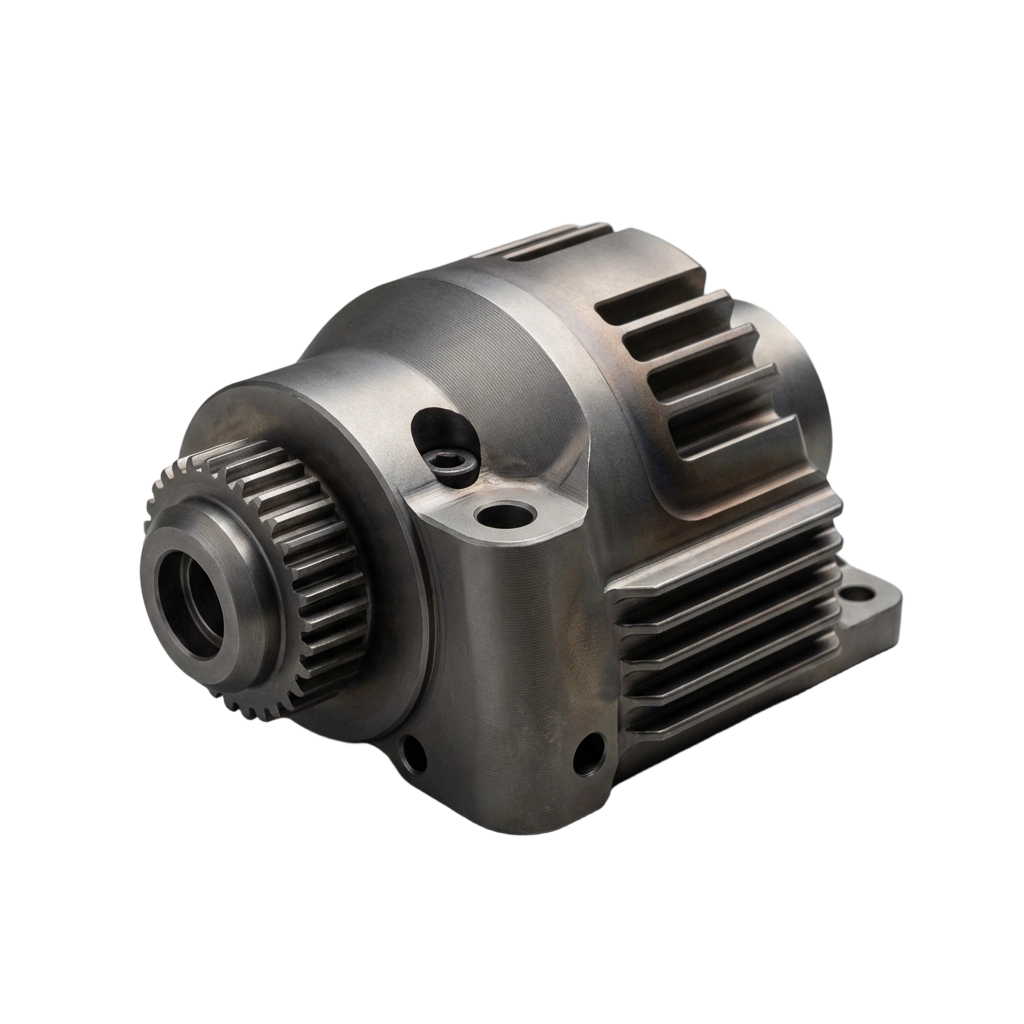
  • Black Oxidize
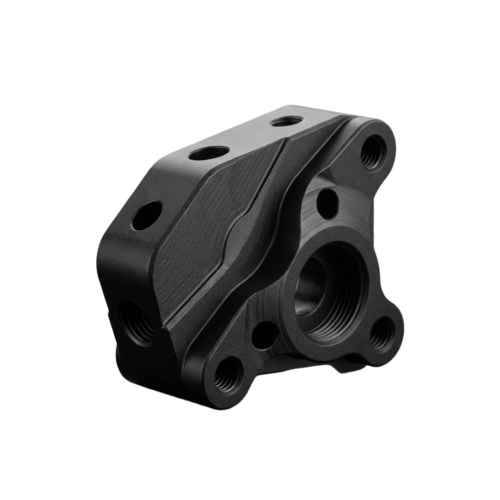
    Black oxidize produces a dark, low-reflectivity surface on ferrous materials. The treatment improves corrosion performance while maintaining tight dimensional control.
  • Teflon Coating (PTFE)
    PTFE coatings reduce surface friction and improve resistance to chemical exposure. This finish is commonly applied when smooth movement or reduced wear between contacting surfaces is required.
  • Electroless Plating
    Electroless plating deposits a uniform metal layer through a chemical reaction rather than electrical current. The process is well suited for complex geometries where consistent surface coverage is needed.
  • Painting
    Painting applies a protective and decorative layer to part surfaces. It is often used to enhance appearance while providing an additional barrier against environmental factors.
  • Passivation
    Passivation improves the corrosion resistance of metal surfaces by removing contaminants introduced during machining. The process helps stabilize the surface for long-term use in demanding environments.
  • Electrophoresis
    Electrophoresis uses electrically charged particles in a liquid medium to form an even coating. This technique is applied when consistent surface coverage is required across intricate shapes.
  • SPI Finish
    SPI Finish defines standardized surface textures for plastic parts produced through injection molding. These finishes help maintain consistent appearance and functional surface quality from part to part.

FAQ

Frequently Asked Questions

Below are common questions about surface finishing and how different finishing options are selected and applied in CNC manufacturing.

Why are surface finishes applied after machining?
Machining defines shape and tolerance, while surface finishing refines surface quality to meet appearance, durability, or functional requirements.
Can the same finish be used for different materials?
Some finishes are versatile, while others are material-specific. Selection depends on material properties and performance expectations.
How do I choose the right surface finish?
Finish selection is based on part function, environmental exposure, surface interaction, and visual requirements rather than appearance alone.
Do surface finishes affect part dimensions?
Certain finishes may slightly alter surface thickness, while others are designed to maintain dimensional stability.
Are surface finishes mainly aesthetic?
Many finishes improve appearance, but they also serve functional purposes such as corrosion protection, wear resistance, and friction control.

    Get a CNC Quote