







-
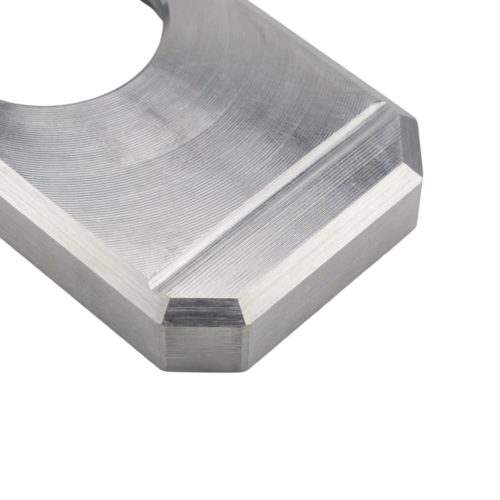
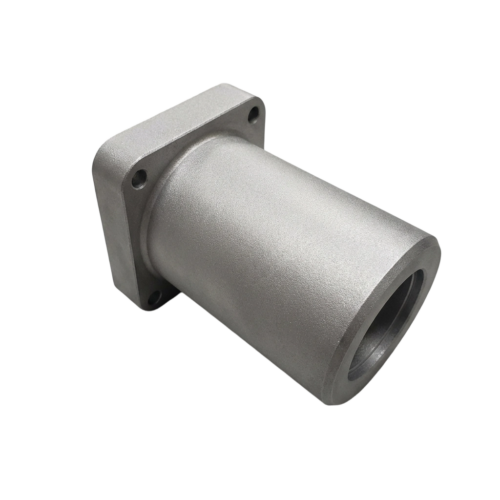
 AluminumAluminum is a lightweight, versatile metal widely used in CNC machining for structural and enclosure parts. It offers excellent machinability, good corrosion resistance, and a high strength-to-weight ratio suited for production and prototyping.Type
 -
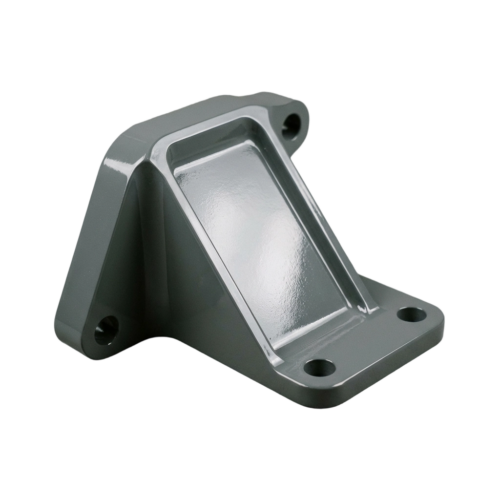
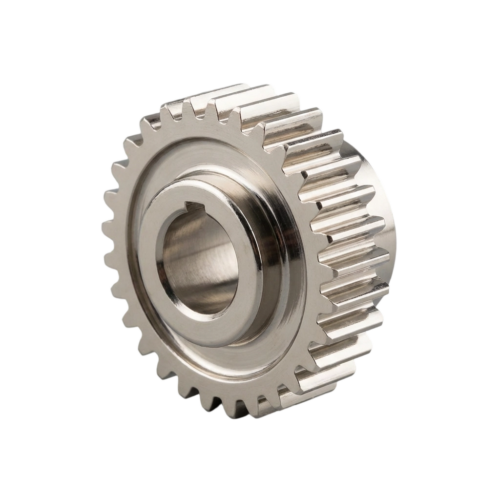
SteelSteel is a versatile, high-strength metal widely used in CNC machining and manufacturing. Alloy selection and heat treatment let you tailor hardness, toughness, and machinability to part requirements.Type
-
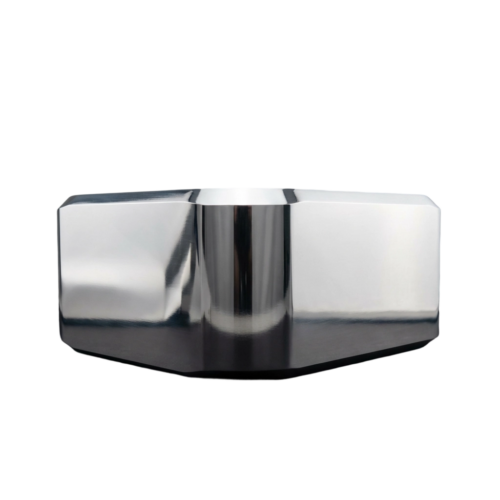
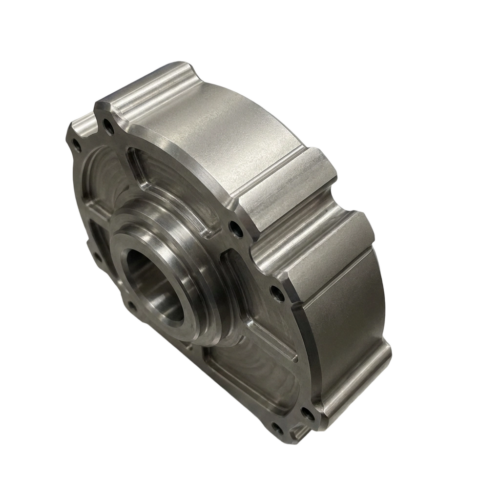
Stainless SteelStainless steel is a corrosion-resistant alloy family used for structural, hygienic, and precision components in industrial manufacturing. Grades vary in strength, heat tolerance, and machinability—select grade and tooling to optimize CNC performance.Type
-
TitaniumTitanium is a lightweight metal offering a superior strength-to-weight ratio and excellent corrosion resistance for demanding CNC-machined parts. It suits aerospace, medical, and industrial applications but requires optimized tooling and coolant control during machining.Type
-
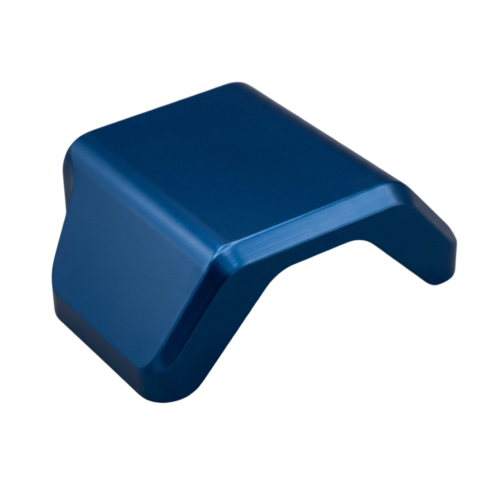
Alloy 6061Alloy 6061 is a heat-treatable aluminum alloy commonly used for CNC machining and structural components. It balances strength, machinability, weldability, and corrosion resistance for precision manufactured parts.Type
-
Alloy 7075Alloy 7075 is a high-strength aluminum alloy widely used where maximum strength and low weight are required. It machines well with rigid setups and heat-treats to T6 for peak mechanical performance, making it ideal for precision CNC parts.Type


-
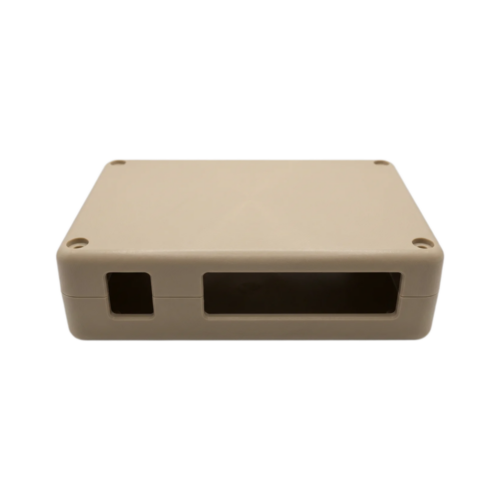
ABSABS (Acrylonitrile Butadiene Styrene) is a versatile engineering thermoplastic offering excellent toughness, impact resistance, and good machinability for prototyping and production parts. It machines cleanly with sharp tooling, accepts paints and adhesives, and is commonly used for housings, trims, and consumer components, with moderate heat and UV limitations.Type
-
PCPolycarbonate (PC) is an impact-resistant engineering thermoplastic with excellent optical clarity, used widely in molded and machined parts. It suits prototypes and production components where toughness, transparency, and dimensional stability are required.Type
-
POMPOM (polyoxymethylene) is a high-performance engineering thermoplastic known for stiffness, low friction, and excellent dimensional stability for machined parts. It offers superior machinability and wear resistance for precision components used in industrial and consumer applications.Type
-
PA (Nylon)PA (Nylon) is a versatile engineering thermoplastic known for toughness, low friction, and excellent wear resistance. It suits CNC machining and injection molding for structural and bearing components but is hygroscopic, so plan for moisture-related dimensional changes.Type
-
PEEKPEEK (polyether ether ketone) is a high-performance semicrystalline thermoplastic with exceptional mechanical, thermal, and chemical properties. It offers dimensional stability and low wear for precision CNC machining and demanding manufacturing applications.Type
-
PPPP (polypropylene) is a semi-crystalline thermoplastic widely used for CNC machining and injection molding. It combines low density, excellent chemical resistance, low moisture uptake, and good fatigue performance for cost-effective, high-volume parts.Type
-
PPSPolyphenylene sulfide (PPS) is a high-performance semicrystalline thermoplastic offering excellent thermal, chemical, and dimensional stability for demanding applications. It is widely used in injection molding and can be CNC machined from rod or plate for precision prototypes and low-volume parts.Type
-
PETPolyethylene terephthalate (PET) is a semi-crystalline engineering thermoplastic offering high stiffness, dimensional stability, and strong chemical resistance. It is widely used in injection molding, extrusion, and CNC machining for structural, electrical, and food-contact components.Type