






Vacuum Casting Service

Vacuum casting enables low-cost, small-batch prototype replication without hard tooling.

  • Low Tooling Cost: Silicone molds avoid expensive hard tooling and keep trial production budgets under control. 
  • Fast Iteration: Silicone mold lead time is 1–2 days, supporting rapid design updates.
  • High Replication Accuracy: Typical replication precision reaches ±0.1 mm, supporting 20–500 pcs small-batch runs.
  • Rapid Iteration (Mold 1–2 Days)
  • Silicone Overmolding Process
  • 20-500 pcs Small Batch
Materials

Material for Superior Results

  • PU Resin
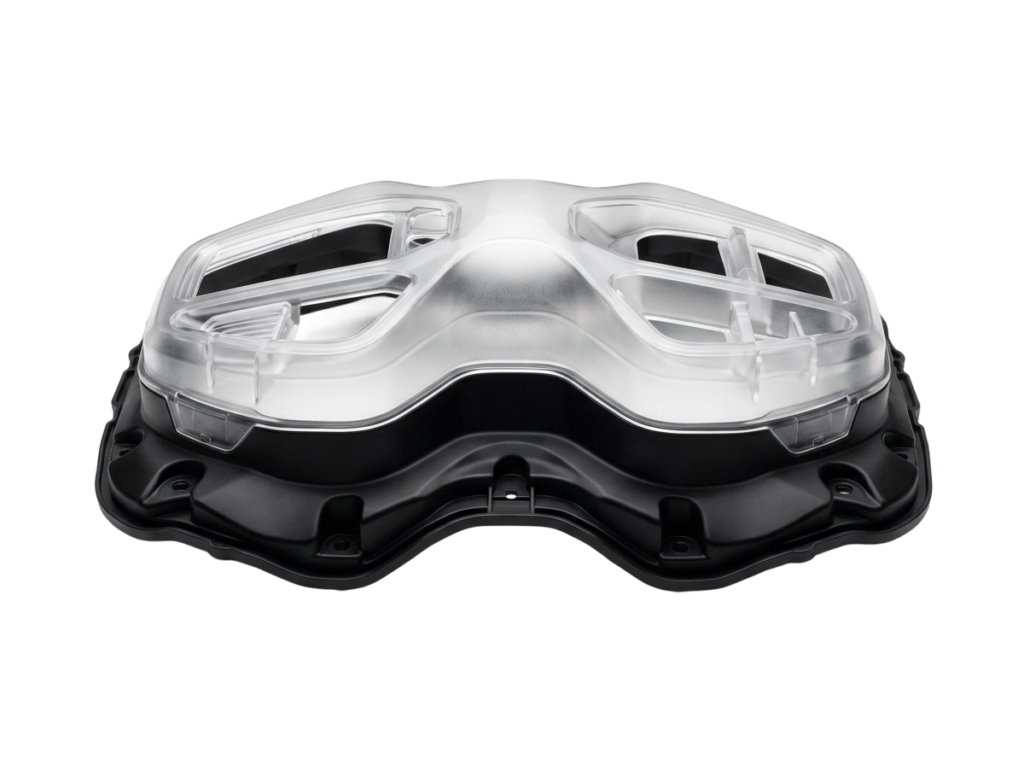
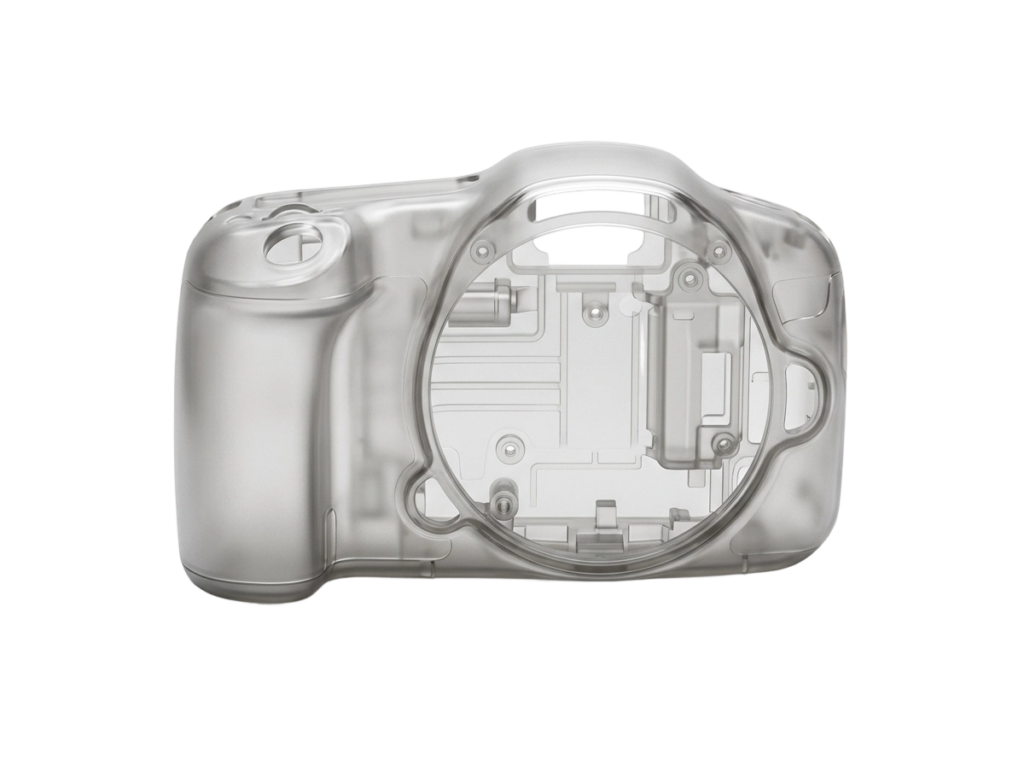
    PU Resin (polyurethane resin) is the most widely used material for vacuum casting, offering flexible formulation options from soft, rubber-like parts to rigid grades that simulate ABS or PC. It supports cosmetic prototypes and low-volume production with good surface finish, plus options for clear, high-temperature, and flame-retardant requirements.
    Type
    Soft PU Rigid PU Clear PU High-temp PU
  • Epoxy Resin
    Epoxy Resin (EP) is a rigid thermoset resin used for casting and prototyping parts that require high strength, dimensional stability, and reliable electrical insulation. It can be supplied in high-strength, clear, and high-temperature formulations, with post-curing options to improve performance for functional prototypes and low-volume production components.
    Type
    High-Strength Epoxy Clear Epoxy High-Temp Epoxy
  • Silicone
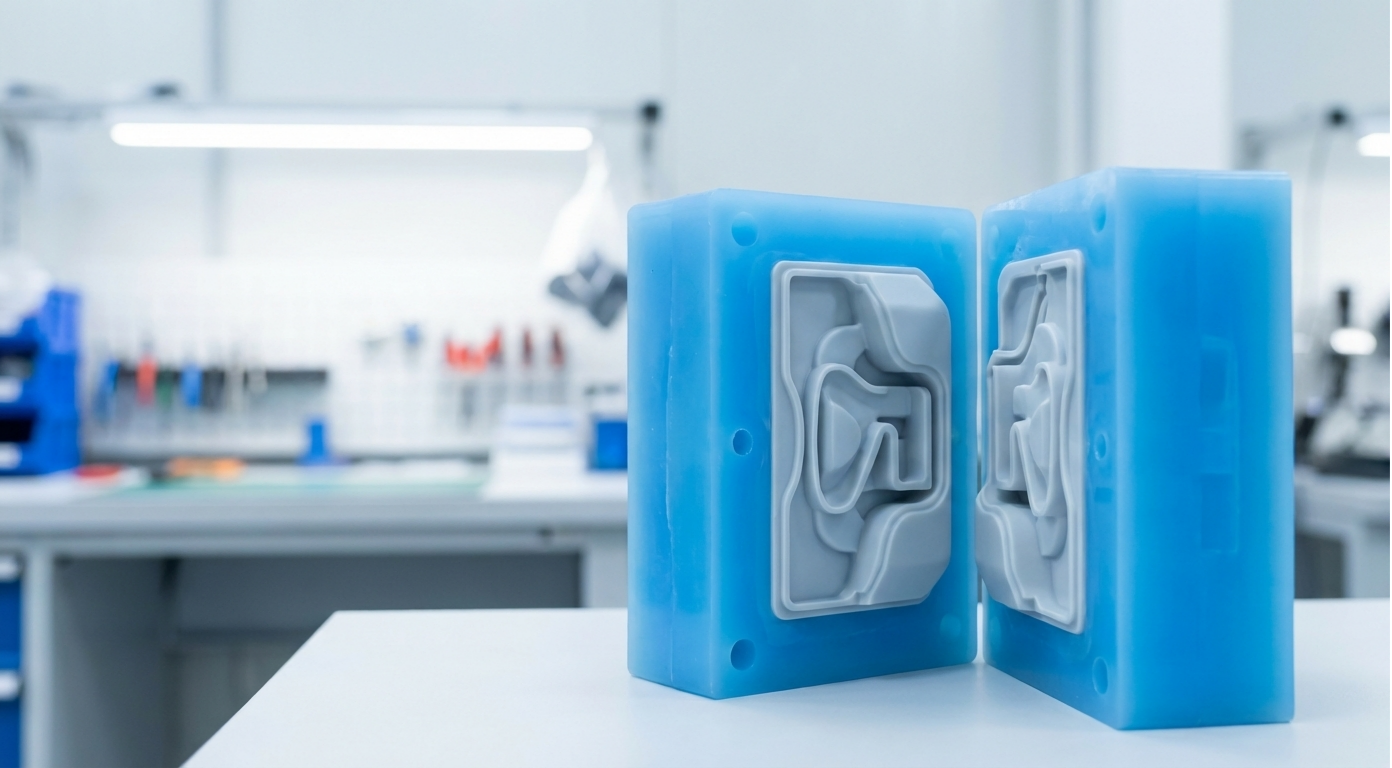
    Silicone (addition-cure, platinum-cure) is primarily used to make flexible, high-accuracy molds for vacuum casting and prototype replication. It features low shrinkage, good tear strength, and easy release, enabling reliable reproduction of complex geometries and fine surface details across multiple casting cycles.
    Type
    Platinum-Cure Silicone Transparent Silicone High-Temperature Silicone Shore A 10–40 Silicone
Surface finish

Surface Finishing for Custom Parts

High Precision Vacuum Casting with Silicone Molds

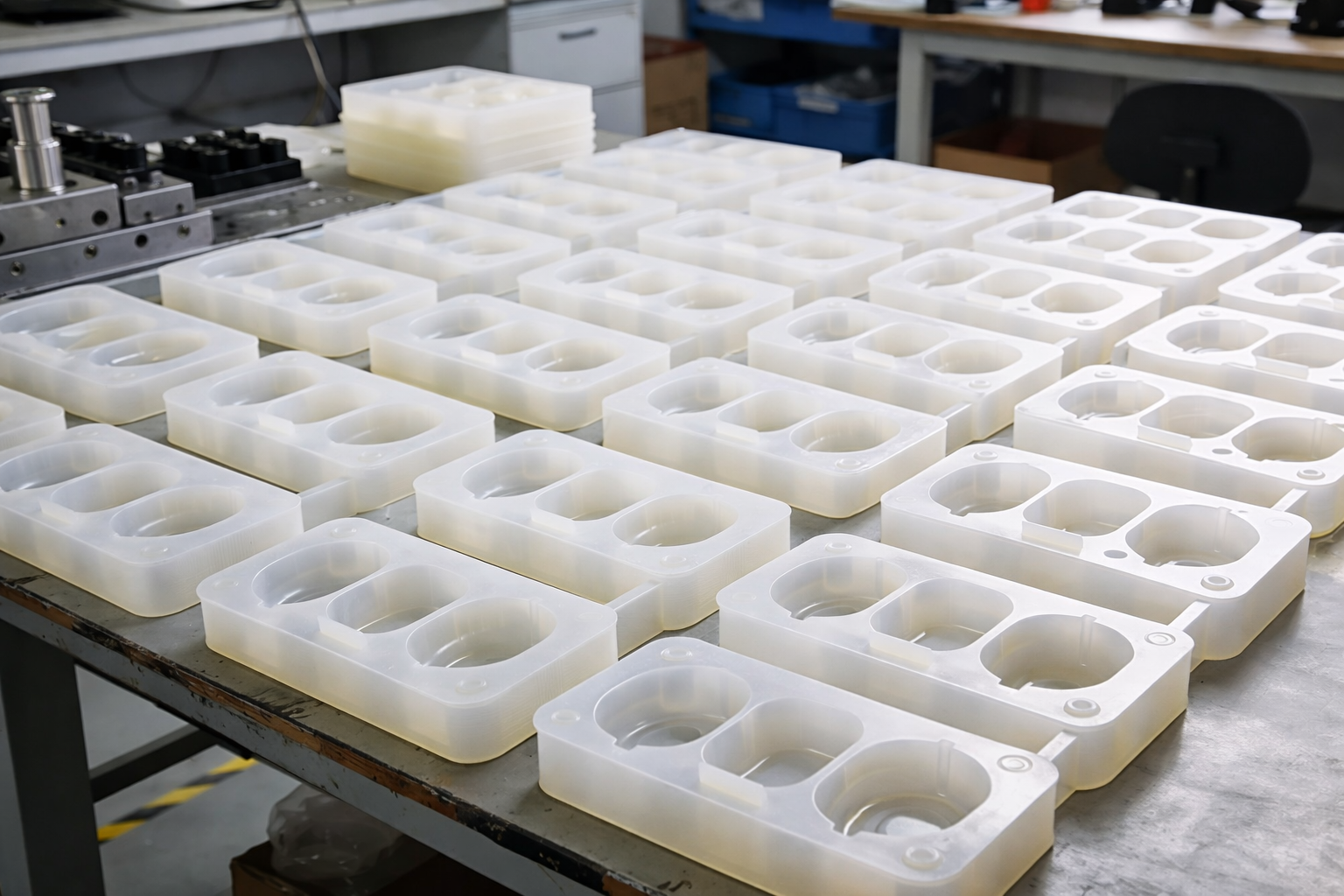
Vacuum casting uses silicone molds to replicate a validated prototype and casts PU resins to achieve low-cost small-batch production. It avoids hard tooling, shortens iteration cycles, and fits trial production and pre-launch evaluation.

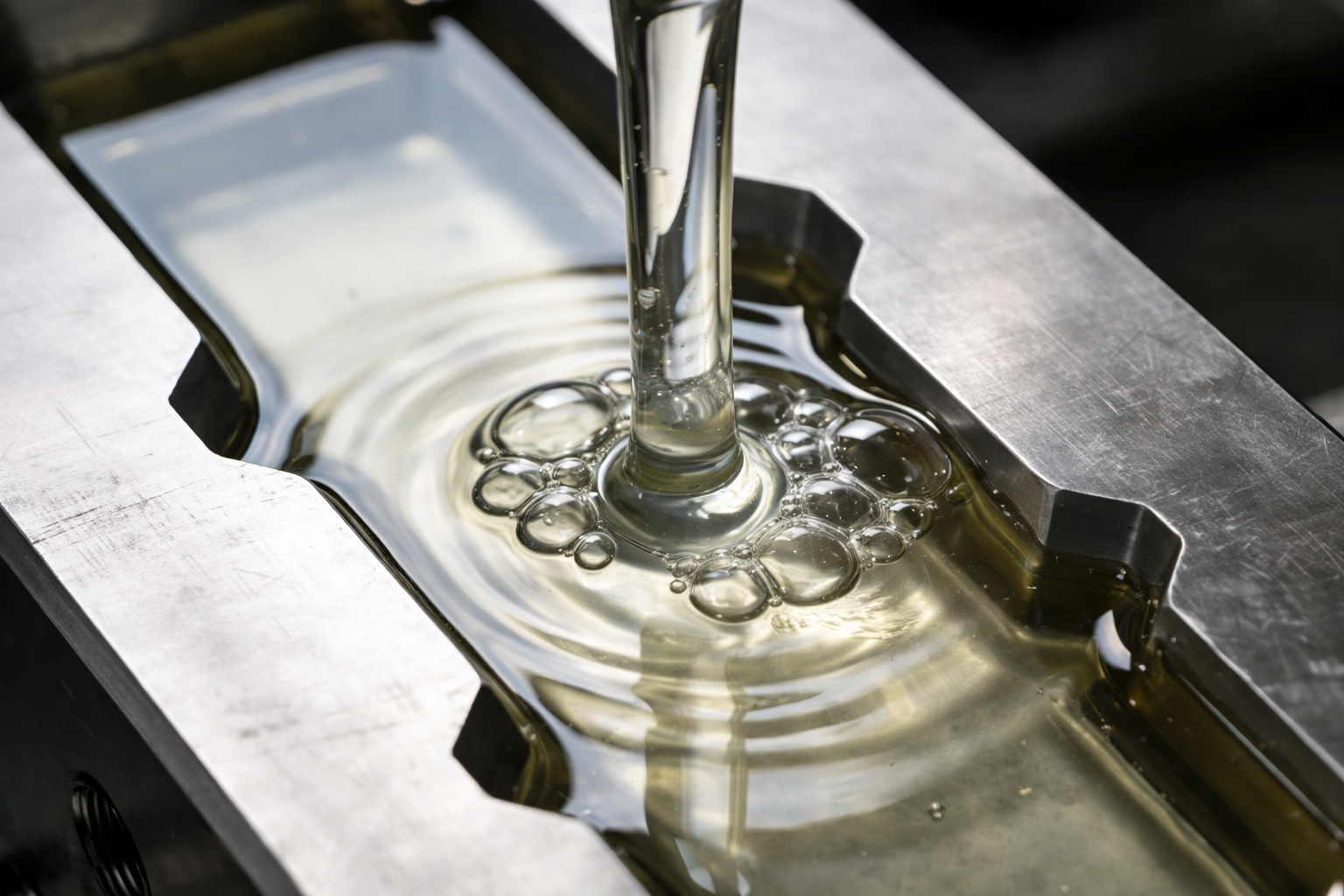
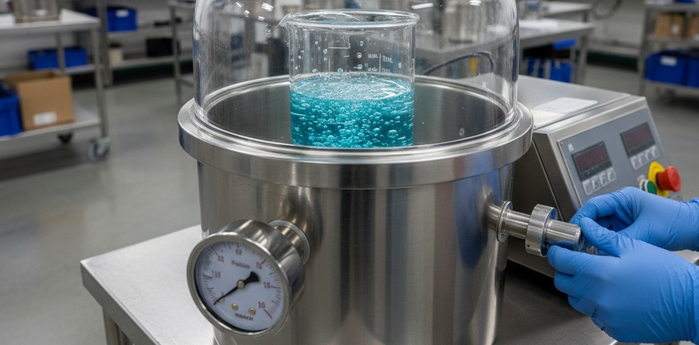
By combining vacuum degassing and controlled filling, the process helps reduce bubbles and supports stable replication accuracy (typically ±0.1 mm) for 20–500 pcs production needs, while leaving room for post-processing and surface finishing.

  • Low tooling cost for trial production
  • Silicone mold lead time: 1–2 days
  • Replication accuracy: ±0.1 mm
  • Supports 20–500 pcs small-batch runs
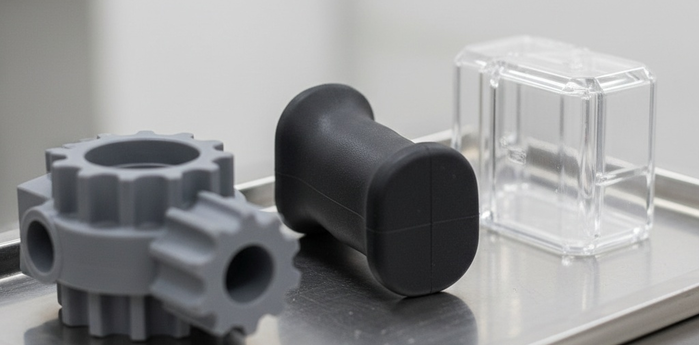
  • Suitable for rigid, soft, and transparent PU resin parts
Capabilities

Vacuum Casting Capabilities

General Tolerances Plastics: ISO 2768-c
Precision Tolerances Tolerances as precise as ±0.05 mm
Minimum Wall Thickness 1.5–2.5 mm
Minimum Part Size 5 mm × 5 mm × 5 mm
Maximum Part Size Up to 750 mm in length; width and height depend on part geometry
Production Volume 20–30 parts per mold
Lead Time Typically 10 business days for first prototypes; simpler parts may be faster
Color and Finish Standard colors and surface finish options, including metallic looks and custom Pantone options
process

How Vacuum Casting Works

  • Prototype & Mold Planning

    Prepare the master pattern (3D printing, CNC machining, or hand-made), define parting lines, and plan gates and vents for stable filling and demolding.

    01
  • Silicone Mold Making

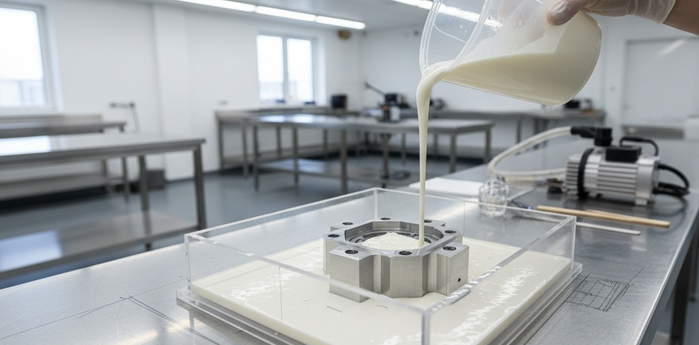
    Mix silicone per ratio, degas under vacuum to remove trapped air, then pour to fully cover the master and cure at room temperature or with controlled heating.

    02
  • Mold Opening & Gating

    Cut along the parting line, remove flash, and finalize gates and vents to support consistent resin flow and detail replication.

    03
  • Vacuum Casting & Finishing

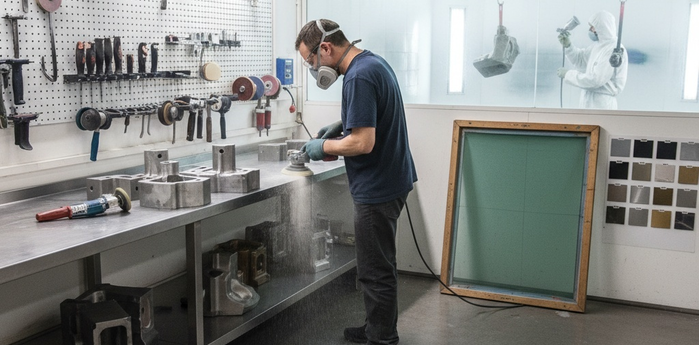
    Degas and vacuum-cast PU resin, cure as required, then trim, sand, polish, and apply surface finishing for functional testing or presentation samples.

    04

Custom Now

FAQ

Frequently Asked Questions

Find quick answers to common questions about vacuum casting, including production quantity, lead time, materials, and quality control during small-batch manufacturing.

1What Is the Typical Production Quantity for Vacuum Casting?
Vacuum casting supports small-batch production, typically 20–500 pcs, using silicone molds without opening hard tooling.
How Long Does It Take to Make a Silicone Mold?
Silicone molds can be prepared in 1–2 days, which supports fast iteration during trial production.
How Do You Control Bubbles in Casting?
Degas silicone and mixed resin under vacuum, and the recommended vacuum level is -0.1 MPa to reduce bubble defects.
What Materials Can You Cast?
Common options include rigid/soft/transparent PU resins, ABS-like resin, high-temperature resin, and special materials such as epoxy resin, photosensitive resin, and foaming polyurethane.
Services

Related Services

    Get a CNC Quote