




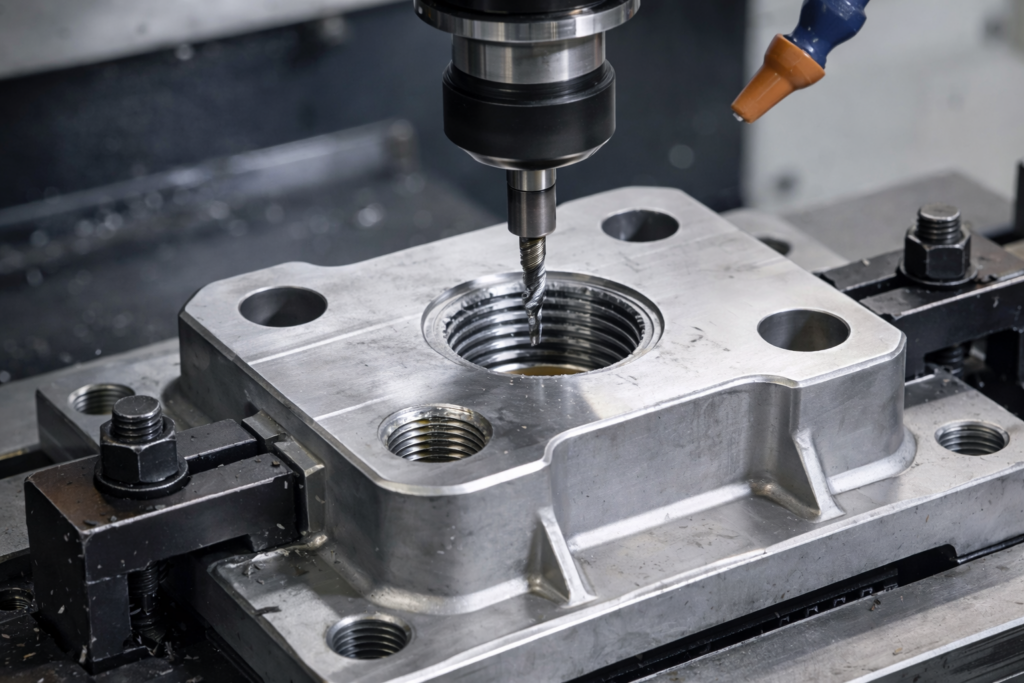
Die Casting Service

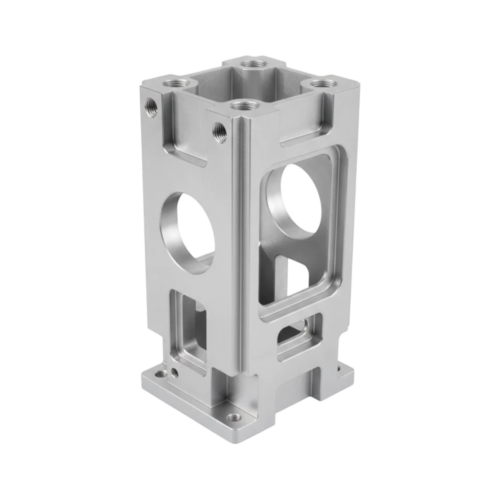
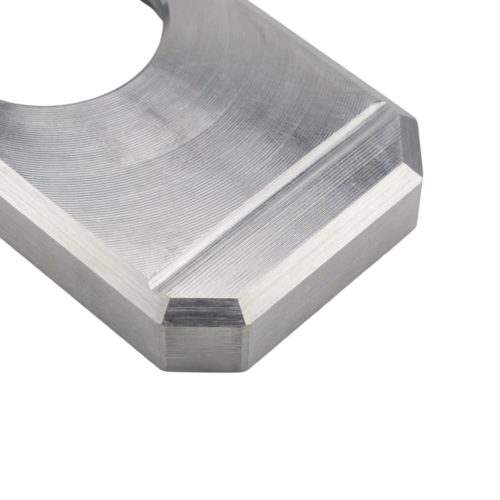
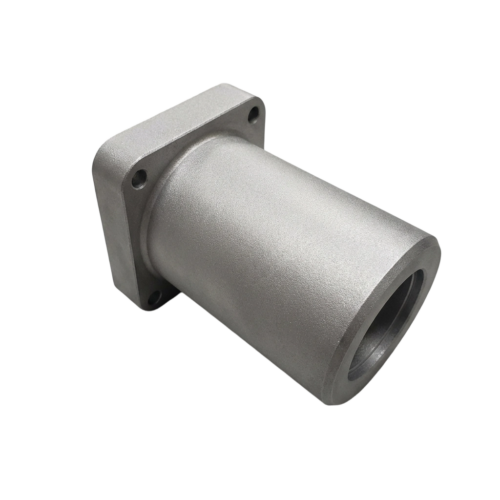
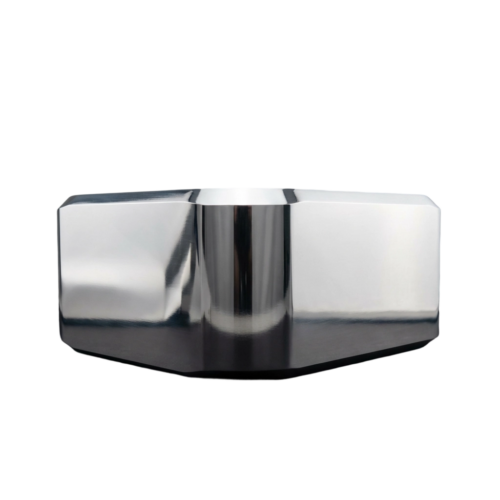
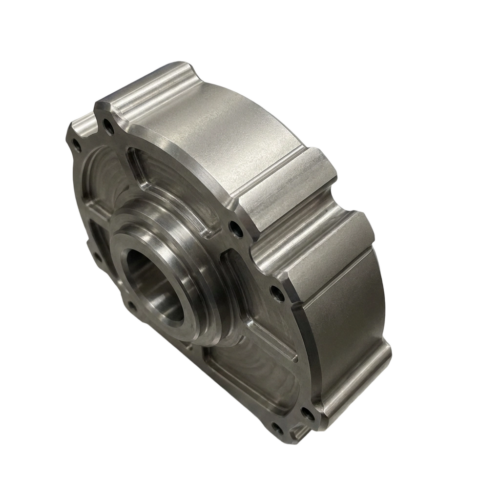
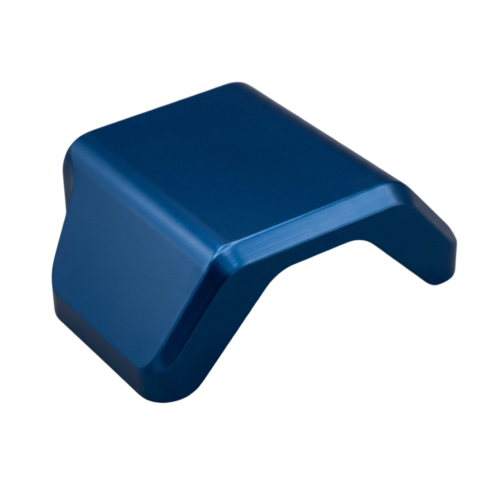
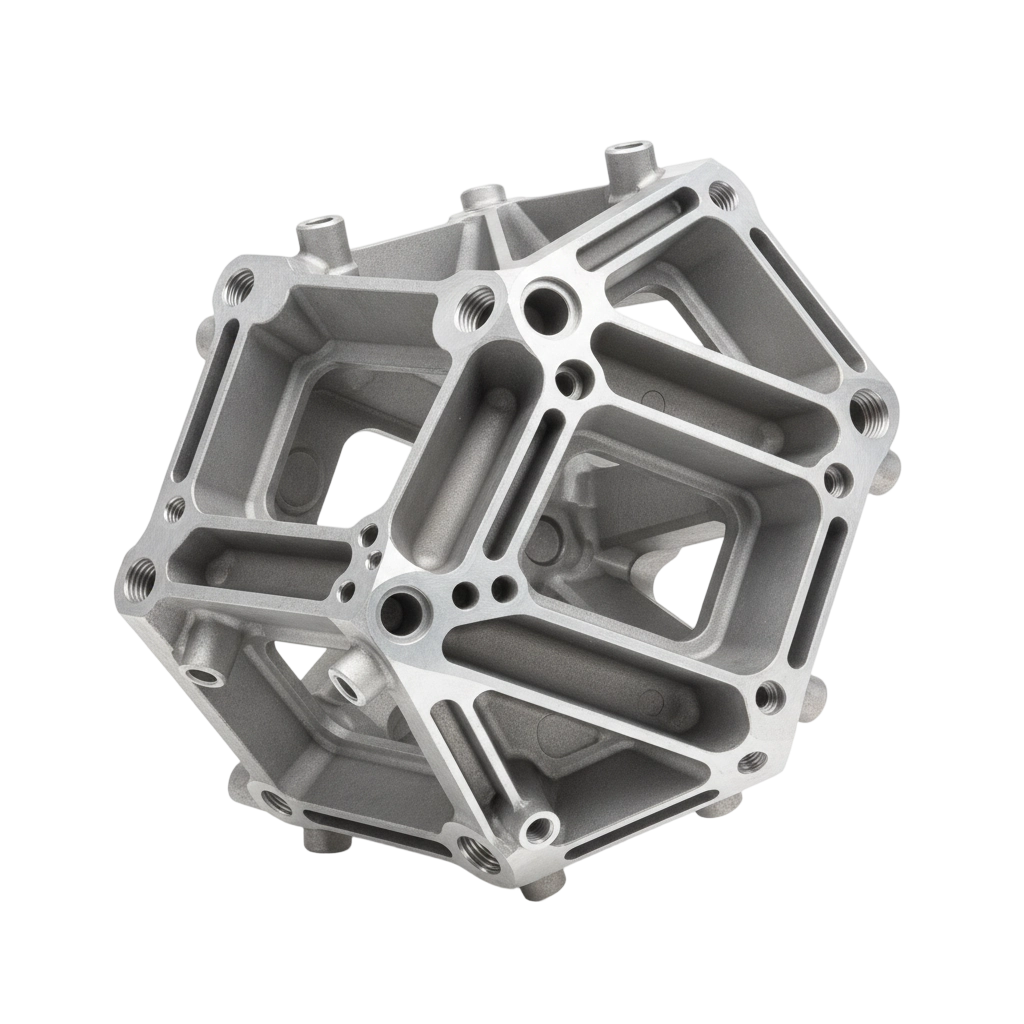
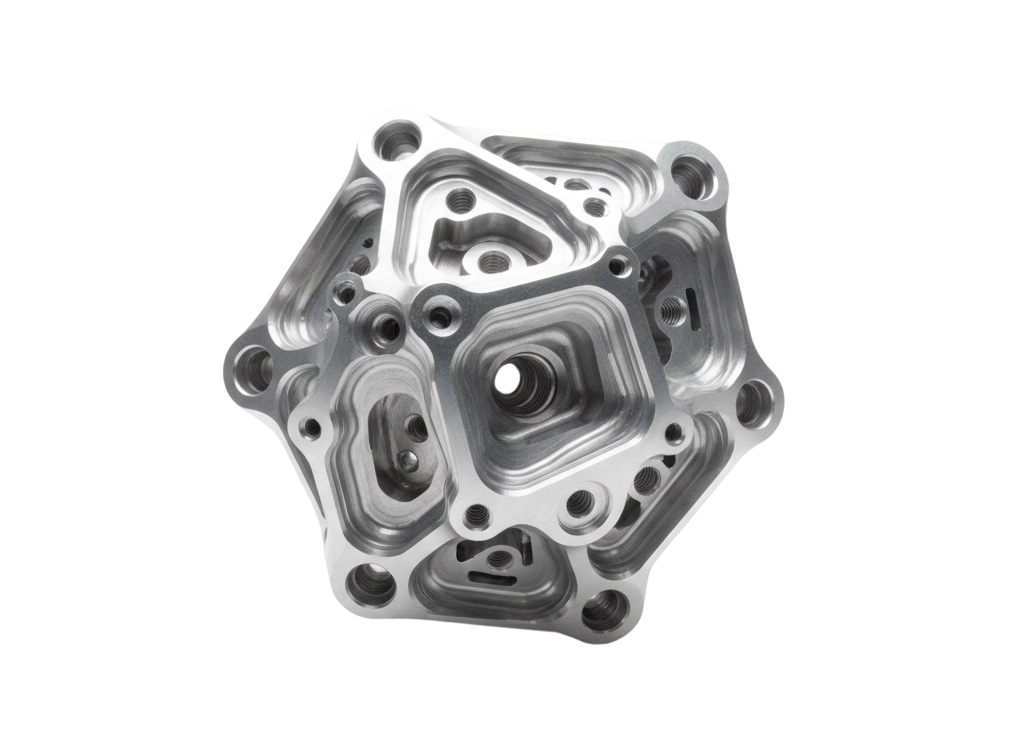
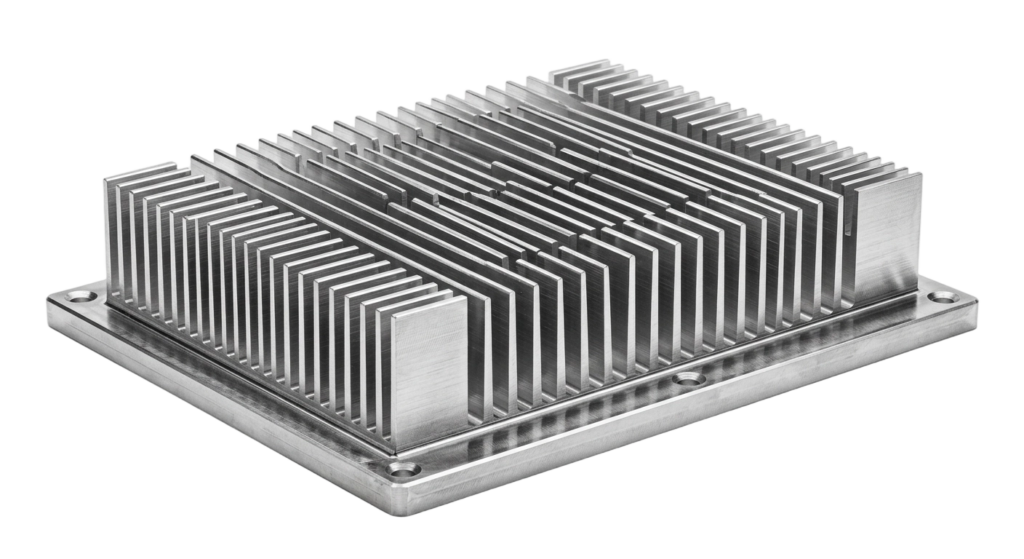
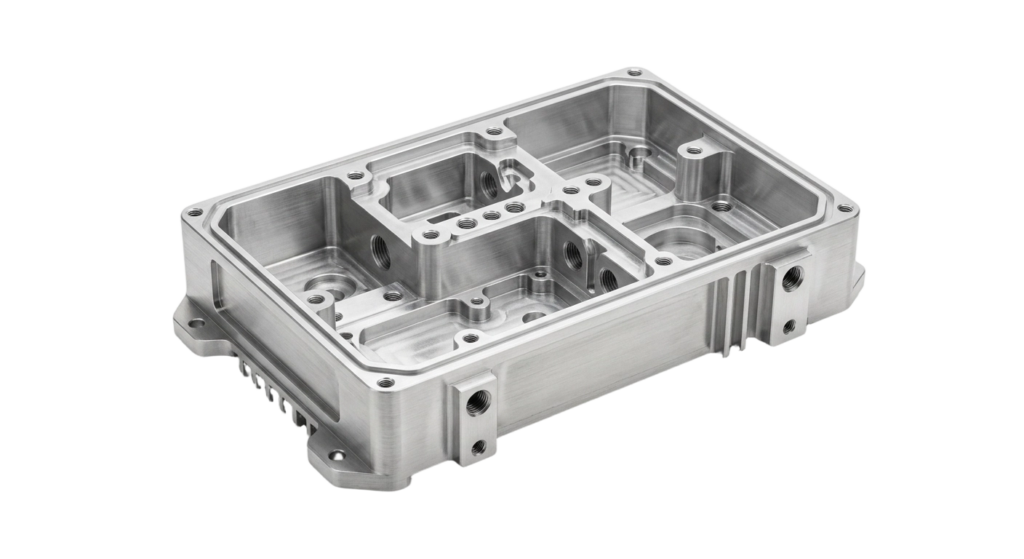
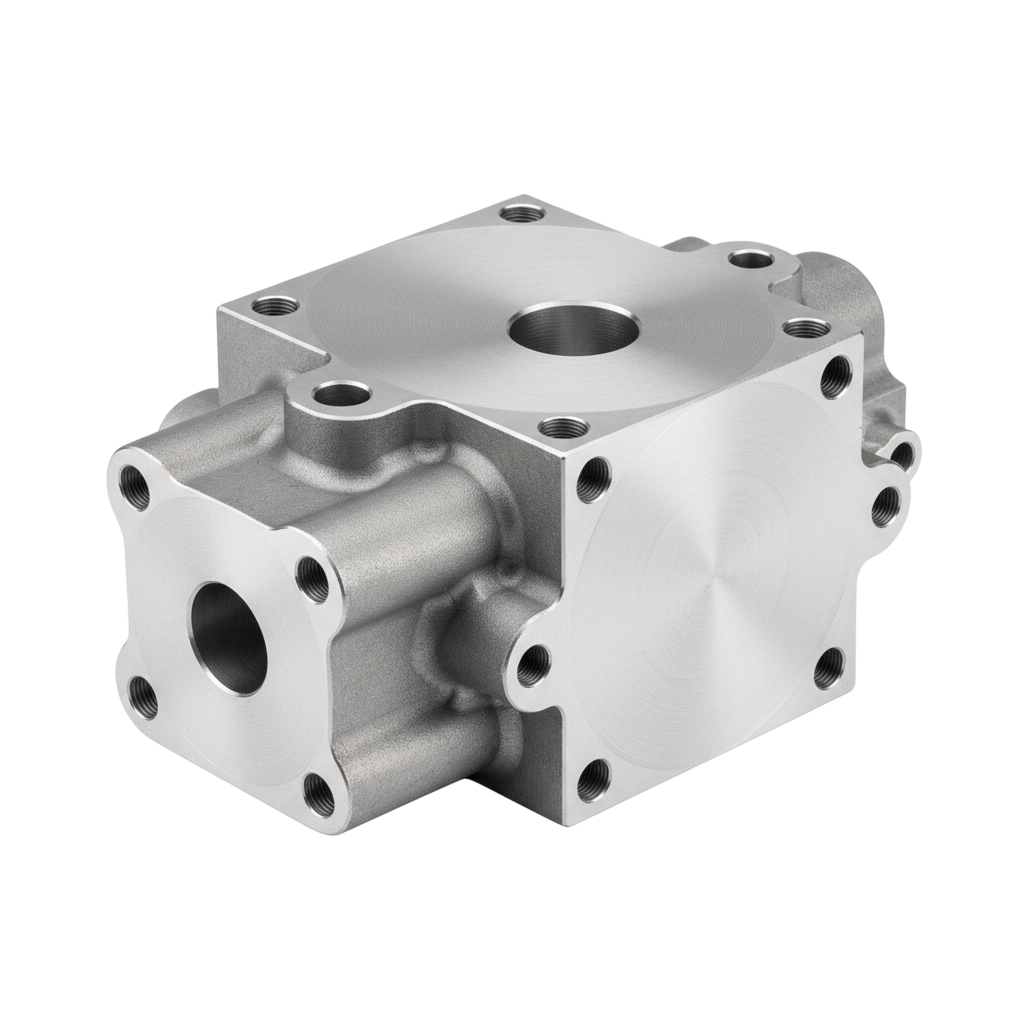
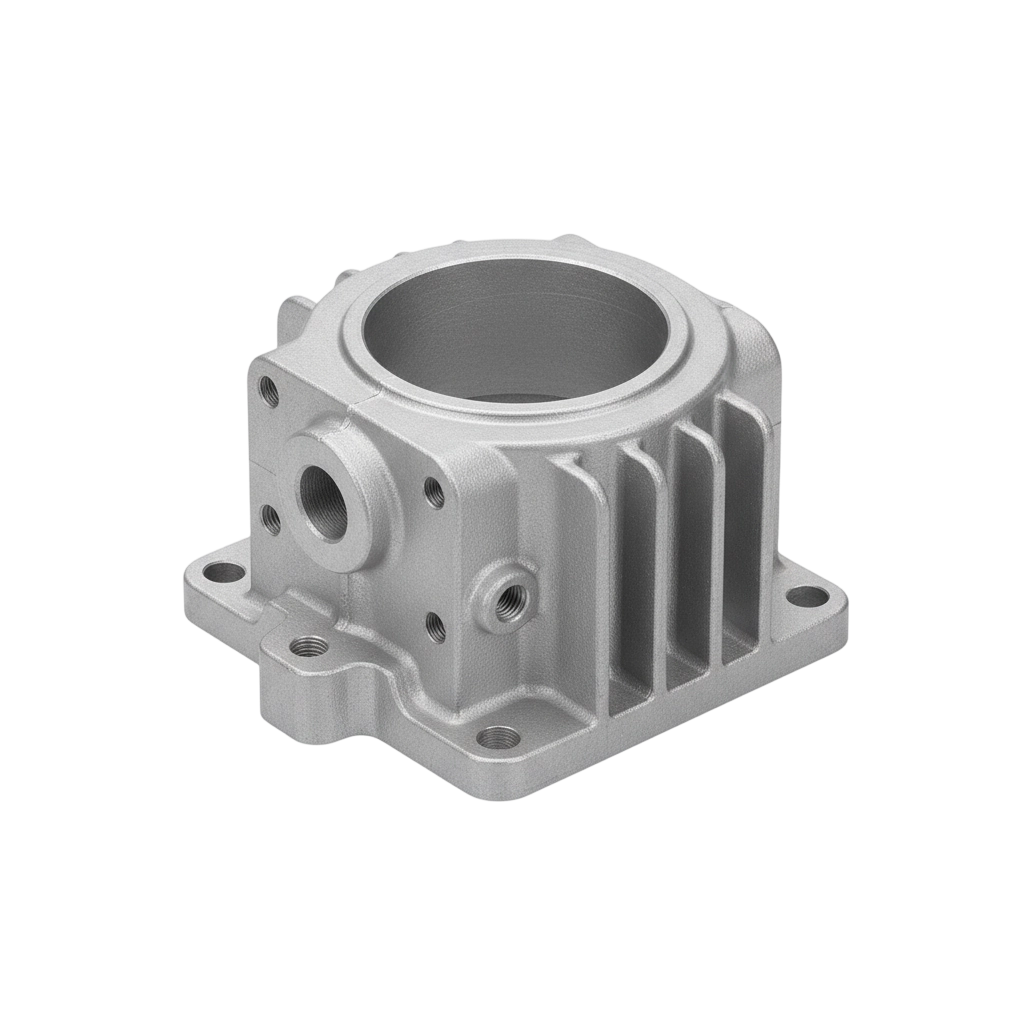
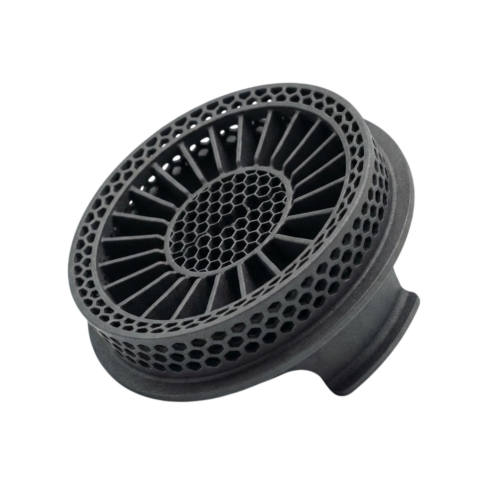
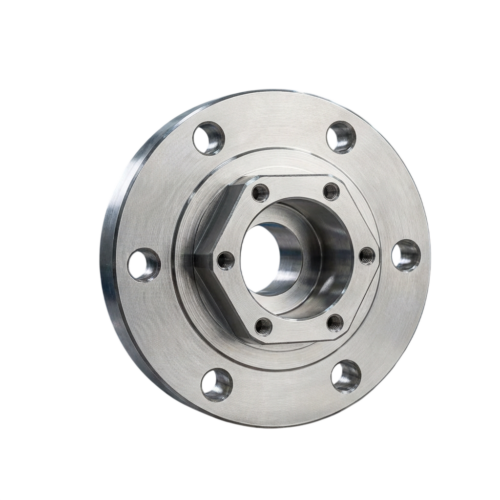
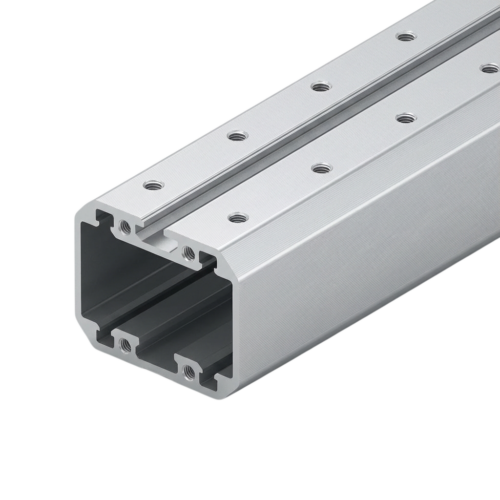
We specialize in lightweight, high-strength die casting for precise mass production.

  • High Strength & Lightweight: Die casting produces dense metal parts with high mechanical strength while maintaining lightweight characteristics.

  • Efficient Production: High-pressure die casting supports rapid cycle times and stable quality for medium to large volume production.

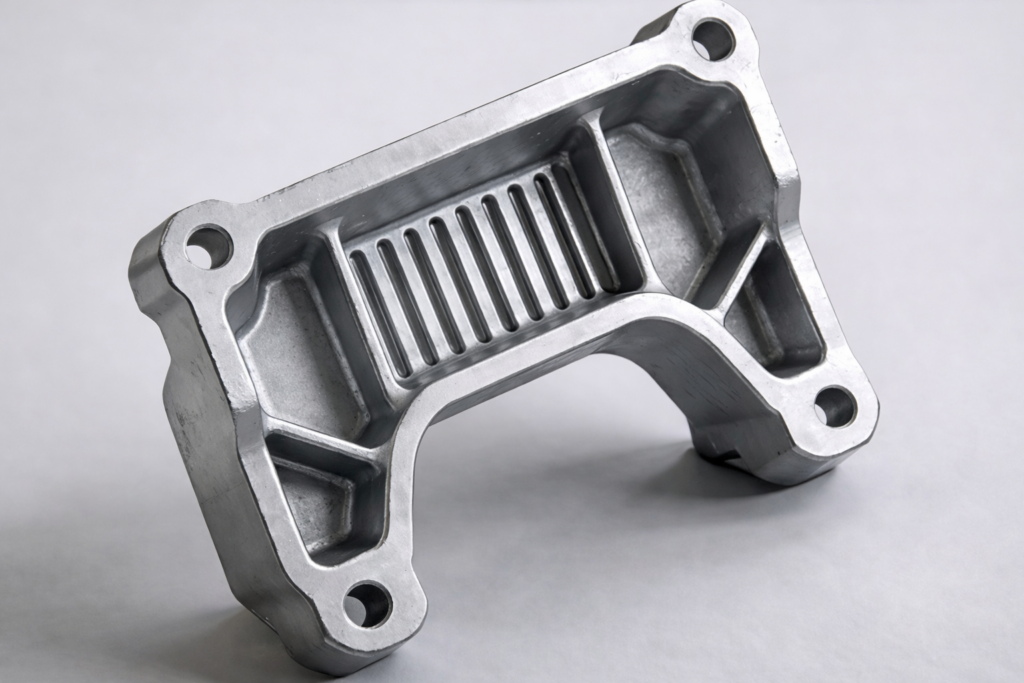
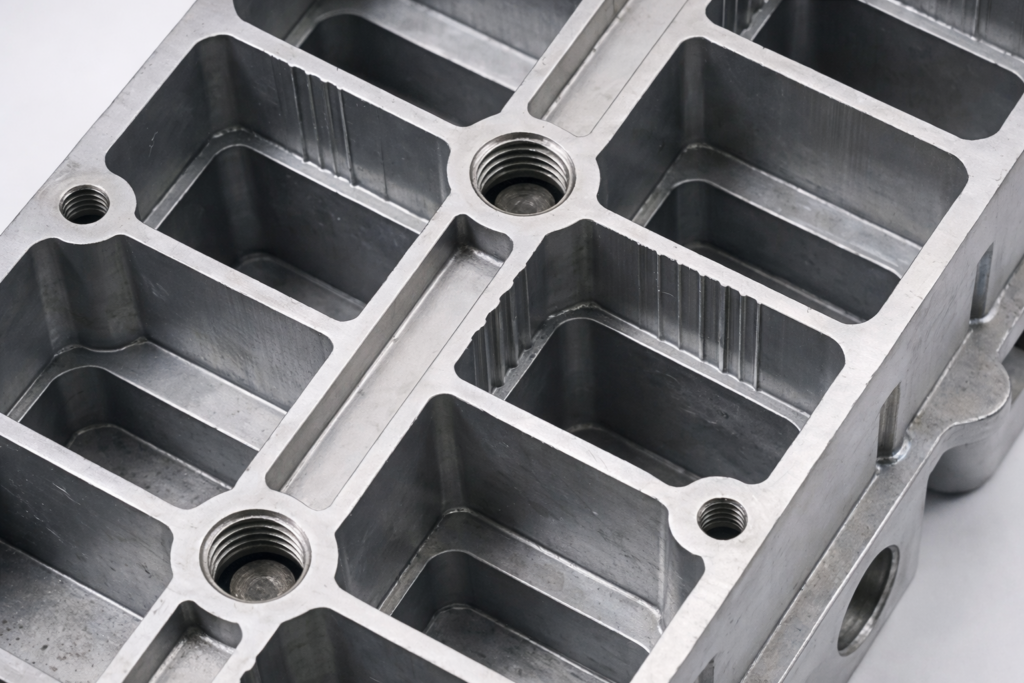
  • Complex Geometry Capability: Suitable for intricate structures and integrated designs with excellent repeatability.

  • High Strength
  • ISO 9001:2015
  • Lightweight
  • High Efficiency
Materials

Material for Superior Results

  • Aluminum
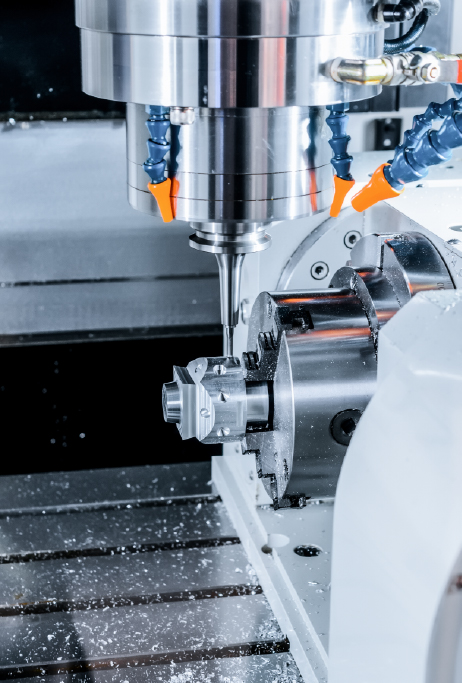
    Aluminum is a lightweight, versatile metal widely used in CNC machining for structural and enclosure parts. It offers excellent machinability, good corrosion resistance, and a high strength-to-weight ratio suited for production and prototyping.
    Type
    Aluminum 6061 6061-T6 Aluminum 2024 Aluminum 5052 Aluminum 5083
  • Brass
    Brass is a copper–zinc alloy prized for excellent machinability, conductivity, and corrosion resistance. It machines cleanly to tight tolerances and delivers an attractive finish for functional and aesthetic parts.
    Type
    C36000 C26000 C46400 C38500
  • Magnesium
    Magnesium is the lightest structural metal, offering an excellent strength-to-weight ratio and fast machinability for CNC and casting processes. Common magnesium alloys provide good thermal conductivity and vibration damping but require corrosion protection and careful chip handling.
    Type
    AZ31B AZ91D AM60B WE43
Surface finish

Surface Finishing for Custom Parts

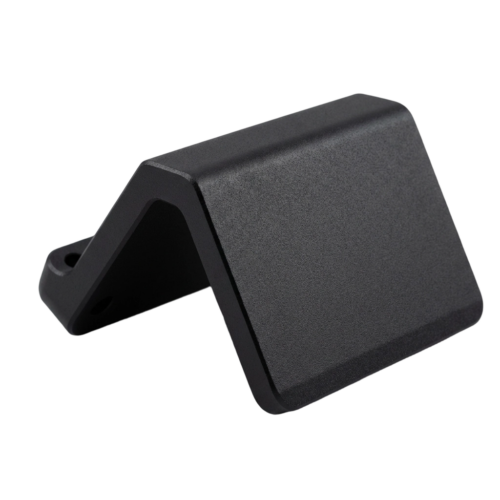
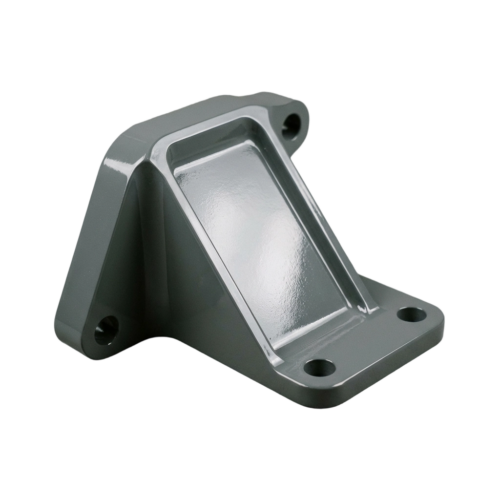
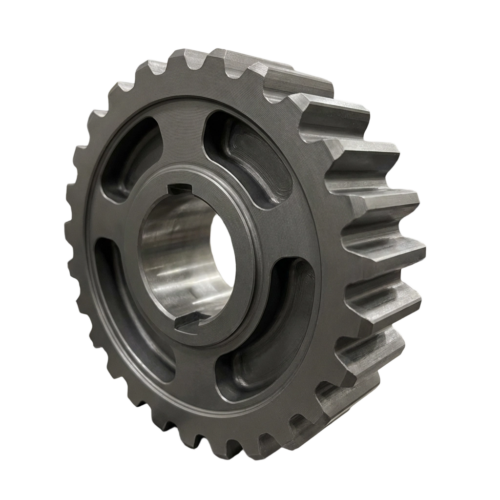
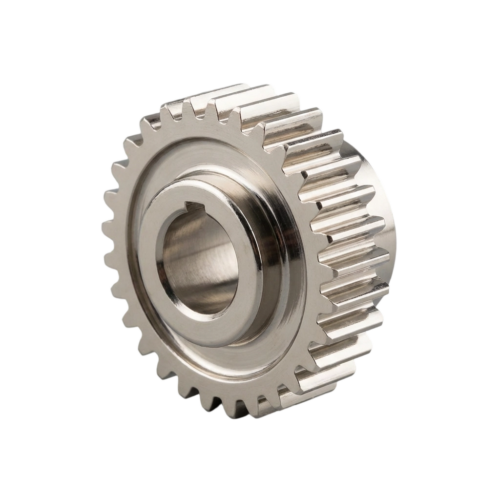
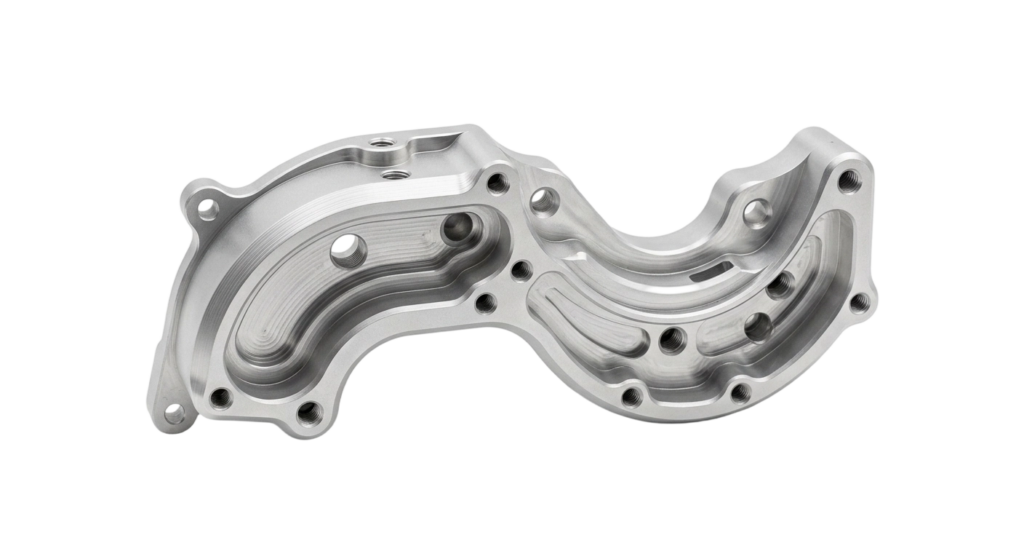
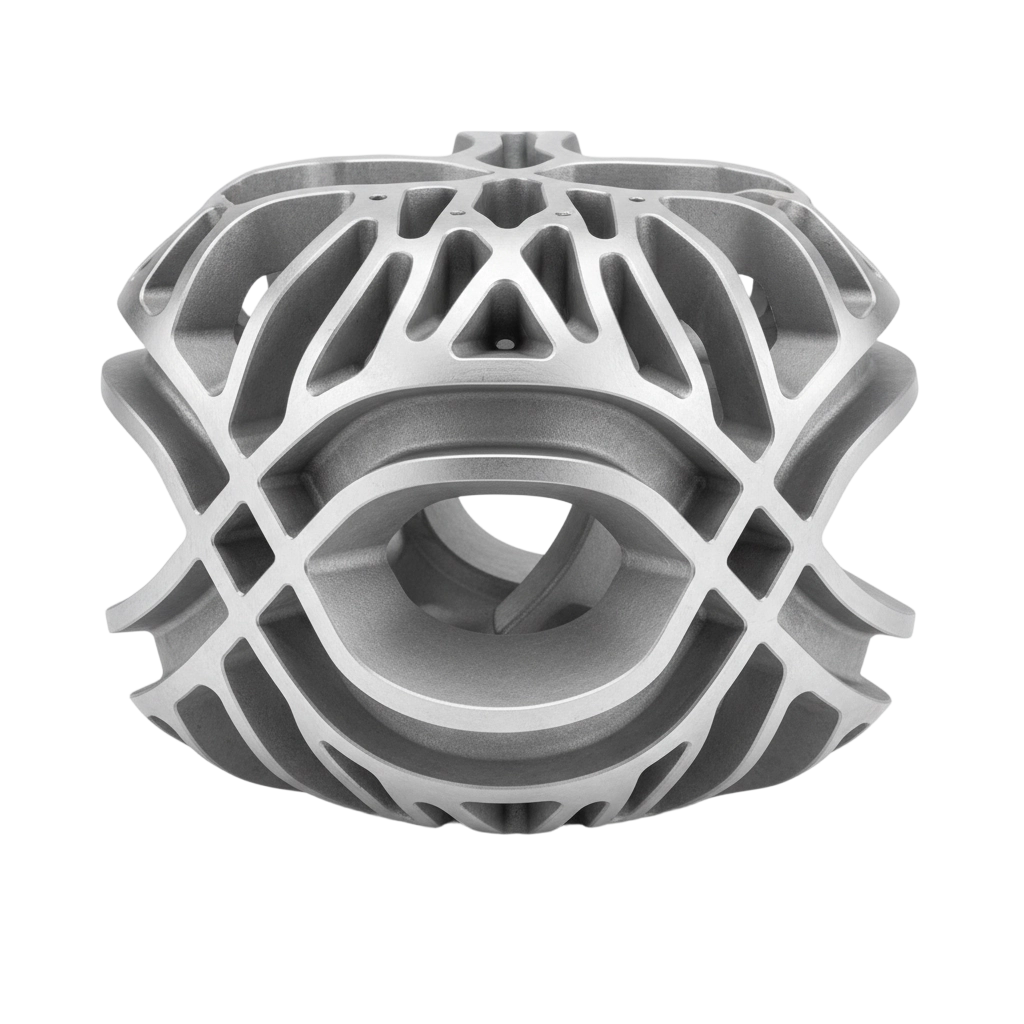
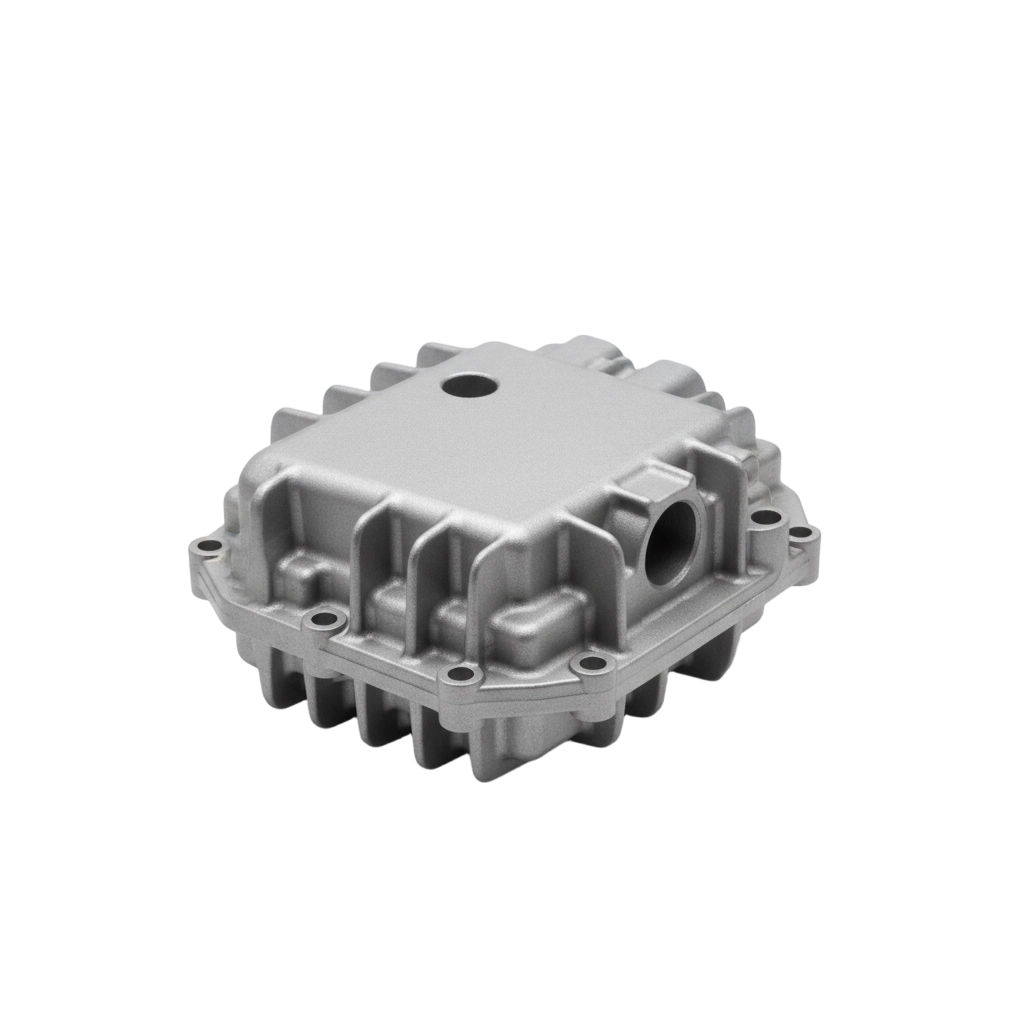
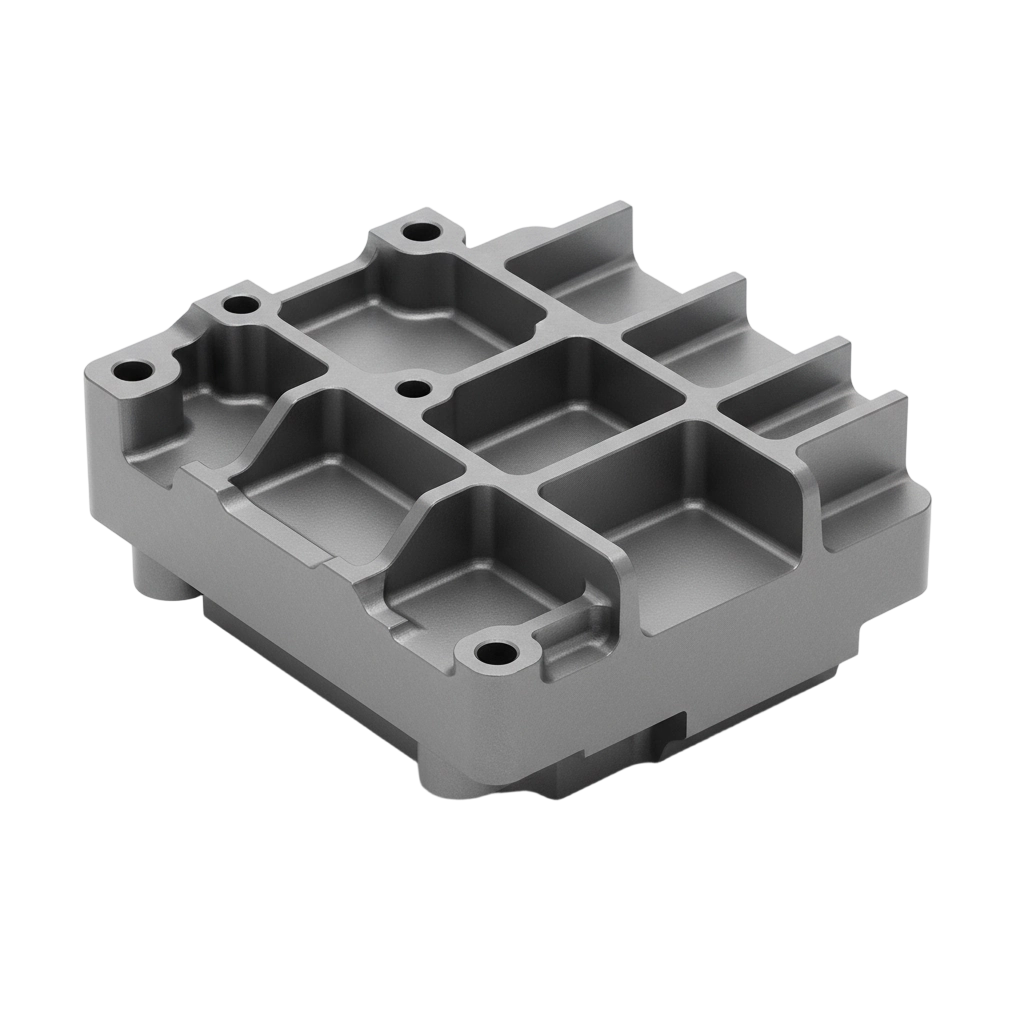
Die Casting for Structural and Functional Parts

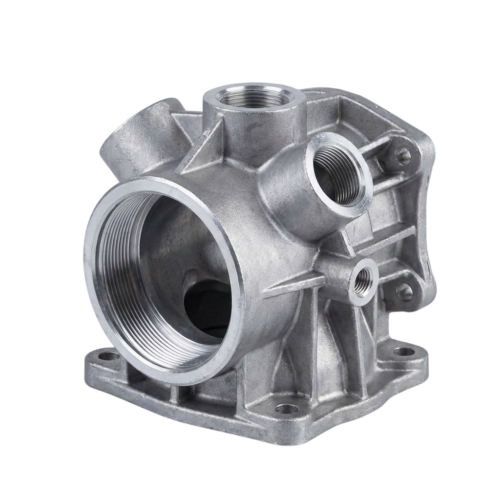
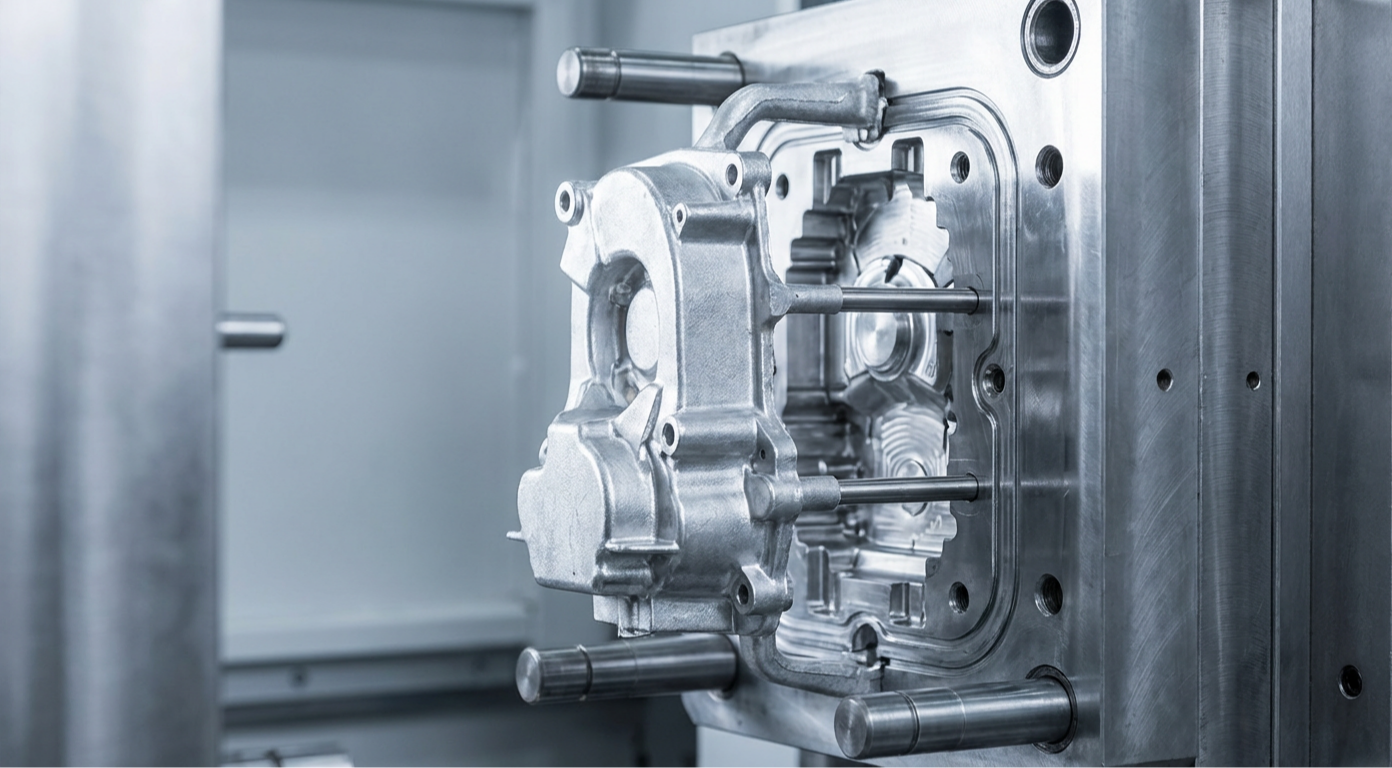
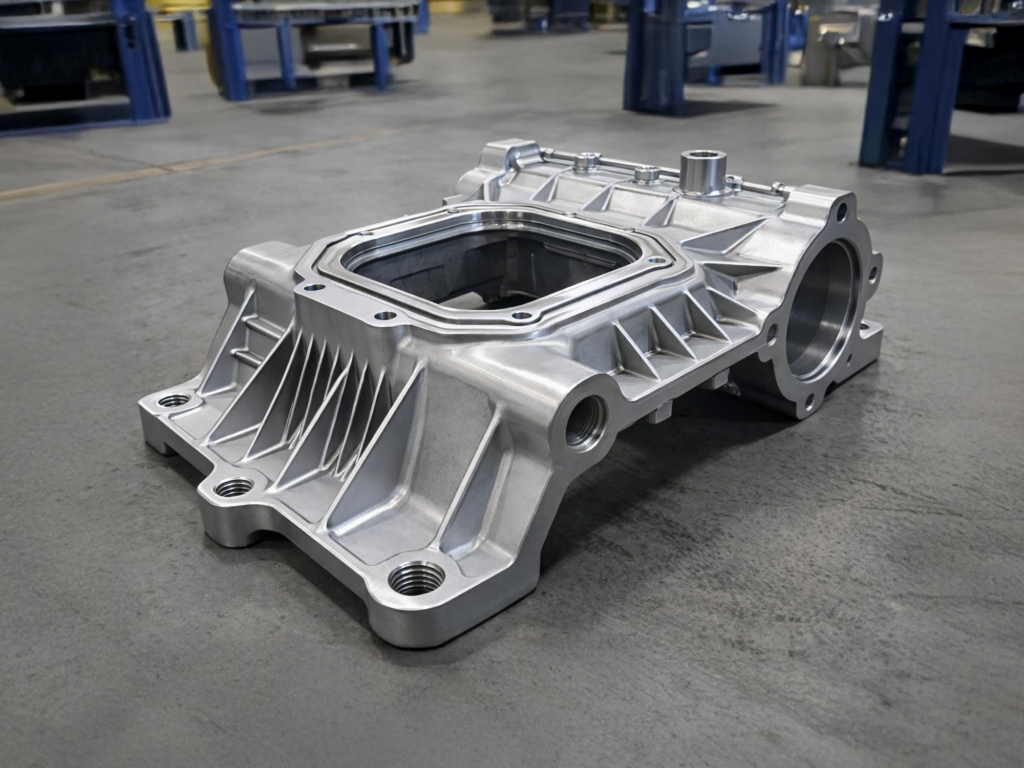
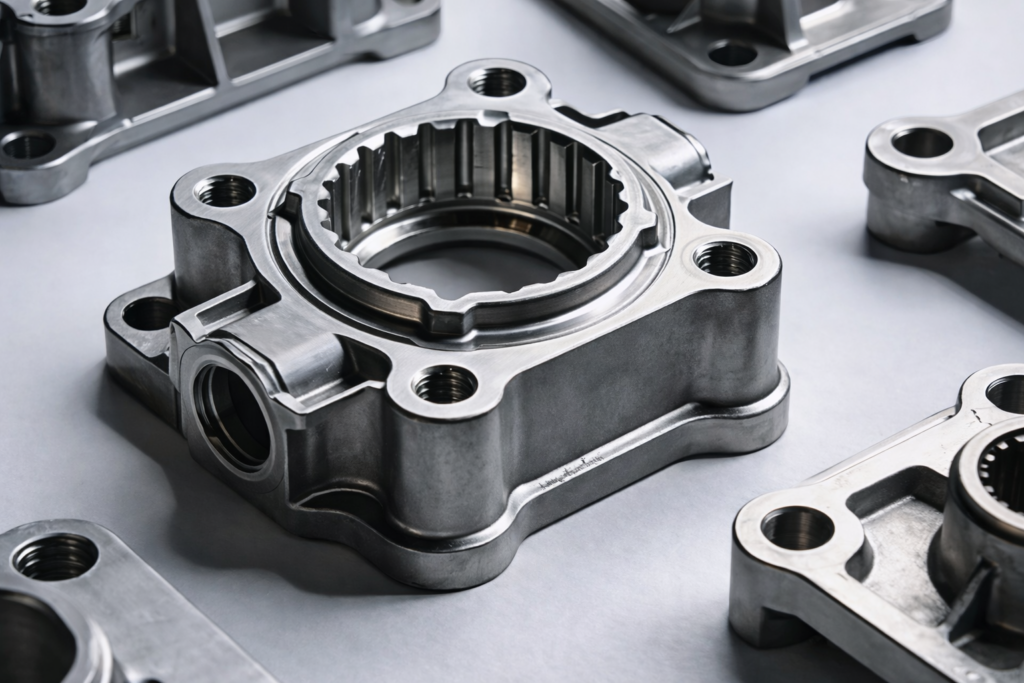
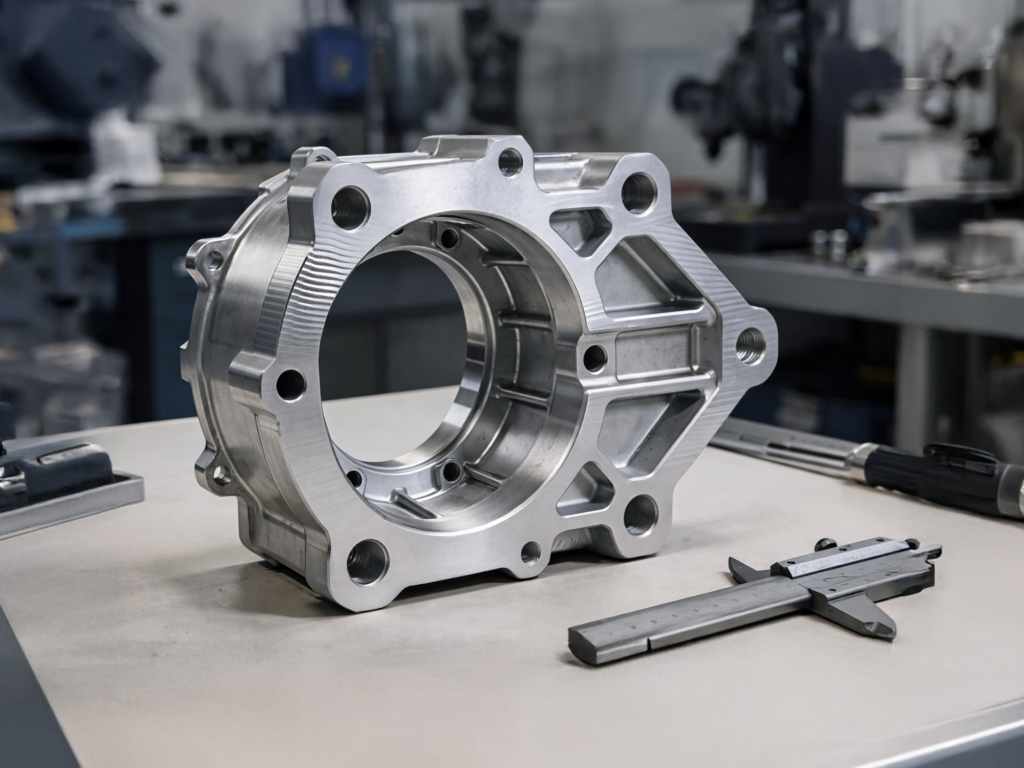
Die casting is widely used for producing complex structural components that require high strength, lightweight design, and high production efficiency. It is suitable for applications where dimensional consistency and material utilization are critical.

  • High strength and lightweight characteristics
  • Suitable for complex structural components
  • High production efficiency for mass manufacturing
  • Excellent material utilization rate
Capabilities

Capabilities for Die Casting

General Tolerance As-cast tolerances depend on feature type and size (application-dependent). For critical features with secondary machining, tolerances down to 0.01 mm may be supported based on drawing requirements.
Min Wall Thickness 0.5 mm (thin-wall designs may be supported based on part geometry and alloy)
Part Weight 0.02 kg to 15 kg
Max Part Size 300 mm × 650 mm
Min Part Size Ø17 mm × 4 mm
Volume Prototype: 1–100 pcs; Low volume: 100–5,000 pcs; High volume: 5,000+ pcs
Materials Aluminum, Zinc, Magnesium, Copper (alloy selection per application)
Finishing As-cast, polishing, sand blasting, anodizing, powder coating (as required)
Lead Time Typically 5 business days; expedited options may be available for simpler components
Quality System ISO 9001:2015 (or equivalent, if applicable)
process

Die Casting Process

Die casting follows a standardized production workflow from mold preparation to post-processing.

  • Mold Preparation

    Die casting molds are prepared and installed to ensure accurate cavity alignment and stable production.

    01
  • Molten Metal Injection

    Molten aluminum, zinc, or magnesium alloy is injected into the mold under high pressure.

    02
  • Solidification & Ejection

    The metal rapidly solidifies inside the mold, and the formed part is ejected.

    03
  • Trimming & Deburring

    Excess material such as runners and flash is removed to achieve the final shape.

    04
  • Surface Treatment & Secondary Machining

    Surface finishing and CNC machining are applied as required to meet functional and appearance specifications.

    05

Custom Now

FAQ

Frequently Asked Questions

Find quick answers to common questions about die casting materials, accuracy, surface treatment, and lead time.

What materials are suitable for die casting?
Common materials include aluminum alloys, zinc alloys, magnesium alloys, and selected copper alloys.
What level of accuracy can die casting achieve?
Standard dimensional tolerance can reach ±0.01 mm under stable production conditions.
Can die cast parts be surface treated?
Yes, die cast parts support a wide range of surface treatments such as anodizing, plating, painting, and impregnation.
What is the typical lead time?
Standard projects take 5 working days, while simple parts can be completed within 1 day.
Services

Related Services

    Get a CNC Quote